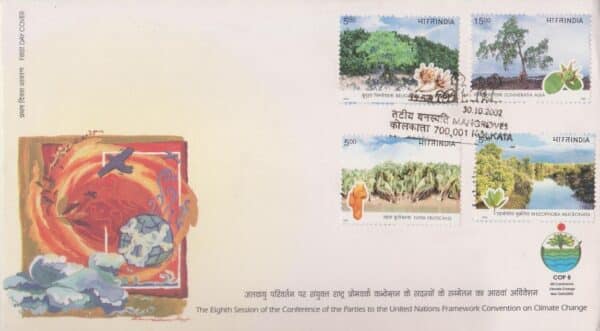
About this stamp
A Unique Mangrove Palm of India
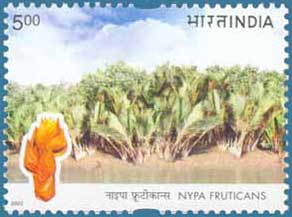
Nypa fruticans is a distinctive mangrove species commonly known as the nipa palm. Unlike typical mangrove trees, it is a palm that thrives in coastal and estuarine environments, playing an important role in maintaining the health of mangrove ecosystems.
Habitat and Distribution
Nypa fruticans is found in tropical coastal regions, particularly in river deltas and tidal estuaries. In India, mangrove ecosystems occur in areas such as the Sundarbans, as well as in the deltas of major rivers like the Ganga River, Godavari River, and Mahanadi River. It is also present in the Andaman and Nicobar Islands.
These regions provide ideal conditions such as saline water, tidal influence, and waterlogged soils for its growth.
Unique Characteristics
Nypa fruticans stands out among mangroves due to its palm-like structure. Some of its notable features include:
- Growth in soft, muddy, and waterlogged soils
- High tolerance to salinity and tidal conditions
- Long, feathery leaves that emerge above the water surface
Its unusual form distinguishes it from other mangrove species while still fulfilling similar ecological functions.
Ecological Importance
Nypa fruticans contributes significantly to coastal ecosystems:
- Provides habitat and nursery grounds for fish, crabs, and other marine organisms
- Supports bird life and other wildlife
- Helps stabilize soil and reduce coastal erosion
Mangrove ecosystems that include Nypa fruticans are essential for biodiversity conservation and the livelihoods of coastal communities.
Role in Climate Change Mitigation
Like other mangrove species, Nypa fruticans plays a role in combating climate change. It helps absorb carbon dioxide and protects coastal areas from the impact of storms and rising sea levels.
Its conservation aligns with global efforts under the United Nations Framework Convention on Climate Change, which emphasizes the importance of protecting natural ecosystems.
Philatelic Recognition
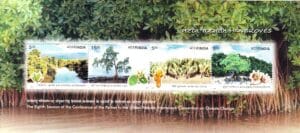
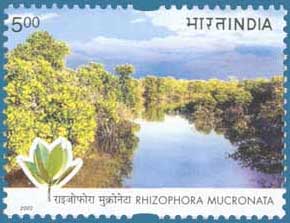
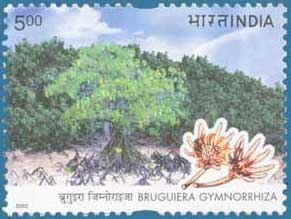
The ecological importance of Nypa fruticans has been recognized by India Post, which issued commemorative postage stamps during the COP-8 held in New Delhi.
Nypa fruticans was one of the four mangrove species featured on these stamps, highlighting the need to conserve mangrove ecosystems threatened by climate change.
Conclusion
Nypa fruticans is a unique and valuable mangrove species that plays a crucial role in coastal ecosystems. Its distinctive characteristics, ecological importance, and contribution to climate stability make it an essential part of India’s mangrove heritage. Protecting this species is vital for maintaining environmental balance and supporting sustainable development.