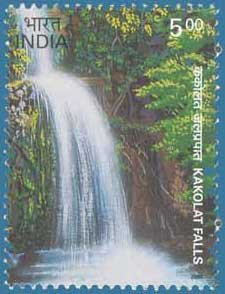
Kakolat Falls
Technical Data
| Date of Issue | September 3, 2003 |
|---|---|
| Denomination | Rs. 5 |
| Quantity | 800,000 |
| Perforation | comb 13 x 13½ |
| Printer | Calcutta Security Printers Ltd |
| Printing Process | Offset Lithography |
| Watermark | No Watermark |
| Colors | Multicolor |
| Credit (Designed By) | Mr. Suresh Kumar |
| Catalog Codes |
Michel IN 1978 Stamp Number IN 2023 Yvert et Tellier IN 1743 Stanley Gibbons IN 2151 WADP Numbering System - WNS IN035.03 |
| Themes | Landscapes | Waterfalls |
The Mythical Cascade of Bihar
The Kakolat Waterfall is a beautiful and culturally significant waterfall located near Nawada in India. Nestled amidst natural surroundings, it is known not only for its scenic charm but also for its deep-rooted mythological associations.
Natural Features
Kakolat Falls descends from a height of approximately 150–160 feet, creating a stunning cascade of water. At its base lies a deep, natural reservoir that enhances its beauty and makes it an inviting spot for visitors. The surrounding landscape adds to the serene and refreshing atmosphere of the area.
Historical and Archaeological Significance
The region around Kakolat Falls holds historical importance as well. Excavations have revealed weapons dating back to the Stone Age, indicating that the area has been inhabited since ancient times.
Mythological Importance
Kakolat Falls is steeped in legend. According to tradition, during the Treta Yuga, a king named Nigas was cursed by a sage and transformed into a python. He is believed to have lived near this waterfall until he was freed from the curse. It is also said that the Pandavas visited this place during their exile, and the king attained salvation through their presence.
Following his liberation, the king is believed to have declared that anyone who bathes in the waters of Kakolat Falls would not be reborn as a snake. This belief continues to attract devotees and visitors to the site.
Cultural Significance
A large fair is held here for three days during the festival of Chait Sankranti (also known as Bishua). During this time, people from far and wide gather to bathe in the waterfall and participate in the celebrations.
Commemorative Stamp
Recognising its natural beauty and cultural importance, India Post featured Kakolat Falls in a commemorative postage stamp set on “Waterfalls of India,” celebrating the country’s diverse natural heritage.
Conclusion
Kakolat Falls is more than just a scenic destination—it is a place where nature, history and mythology come together. Its cascading waters, ancient legends and cultural traditions make it a unique and cherished landmark in India’s rich heritage.
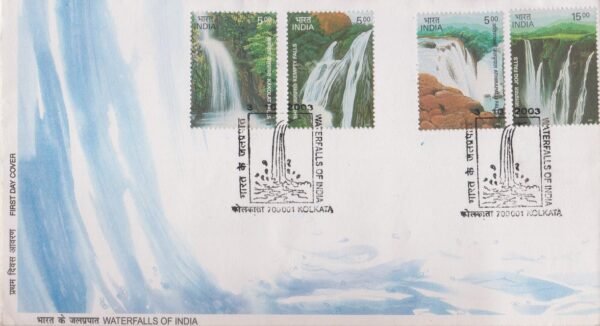
First Day Cover