
Crafts Museum
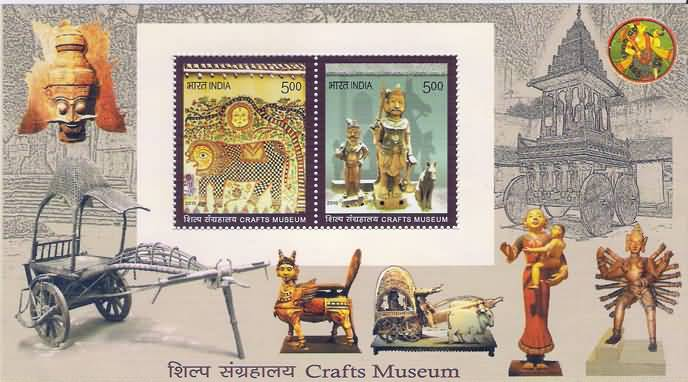
Technical Data
| Date of Issue | December 21, 2010 |
|---|---|
| Denomination | Rs. 10 |
| Quantity | 200,000 |
| Perforation | 13 |
| Printer | India Security Press, Nashik |
| Printing Process | Wet Offset |
| Watermark | No Watermark |
| Colors | Multicolor |
| Credit (Designed By) | Sh. Sankha Samanta |
| Catalog Codes |
Michel IN BL90 Stamp Number IN 2476a Stanley Gibbons IN MS2779 |
| Themes | Animals (Fauna) | Art | Museums | Paintings | Statues | Stylized Animals | Tigers | Wild Cats |
Stamps in this Miniature Sheet
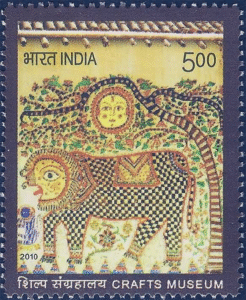
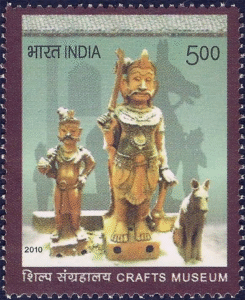
Preserving India’s Craft Heritage
The Crafts Museum, popularly known as the National Handicrafts and Handlooms Museum (NHHM), was established in 1956 as a premier resource centre dedicated to traditional Indian handicrafts and handlooms. The vision behind setting up the museum was not only to preserve Indian art and ethnographic traditions but also to build a comprehensive collection of craft specimens that could serve as source material for revival, reproduction, and development of indigenous crafts.
Originally housed at Thapar House, the museum was shifted to its present premises at Pragati Maidan, New Delhi, during 1979–80. It functions as a subordinate office under the Development Commissioner for Handlooms, Ministry of Textiles, Government of India, and continues to play a vital role in promoting India’s rich craft traditions.
Rich Collection of Artefacts
The National Handicrafts and Handlooms Museum houses an impressive collection of over 32,000 artefacts representing diverse craft traditions from across India. These objects reflect centuries-old techniques, regional styles, and the artistic excellence of Indian artisans.
The museum’s unique Village Complex is a major attraction. Comprising fourteen huts and courtyards representing different states of India, along with three open-air theatres, it offers visitors a replica of rural India and an immersive cultural experience.
Permanent Galleries and Live Demonstrations
The Crafts Museum features five theme-based permanent galleries, including the Bhuta Sculpture Gallery, Folk and Tribal Gallery, and a Reference Collection. These galleries provide deep insight into India’s folk, tribal, and ritual art traditions.
A distinctive feature of the museum is its Crafts Demonstration Programme. Every month, around fifty craftsmen and folk performers from various states are invited to demonstrate their traditional skills live. Visitors not only witness the creation process but also have the opportunity to purchase authentic handcrafted products directly from the artisans.
Research, Education, and Cultural Outreach
Research and development have always been central to the mission of the National Handicrafts and Handlooms Museum. The institution regularly engages in documentation, preservation, and promotion of traditional craft techniques.
Educational programmes invite students from schools and colleges to learn about India’s handicrafts and handlooms, fostering awareness among younger generations. The museum serves all sections of society and attracts numerous foreign visitors interested in India’s cultural heritage.
Having completed over five decades of dedicated service, the museum has rendered yeoman service in promoting Indian heritage and sustaining traditional craftsmanship.
Philatelic Recognition
To honour its significant contribution, a Miniature Sheet consisting of two commemorative postage stamps was issued on the National Handicrafts and Handlooms Museum (NHHM), one of the largest crafts museums in India. The stamp issue celebrates the museum’s enduring role in preserving, promoting, and revitalising India’s rich handicraft and handloom traditions.
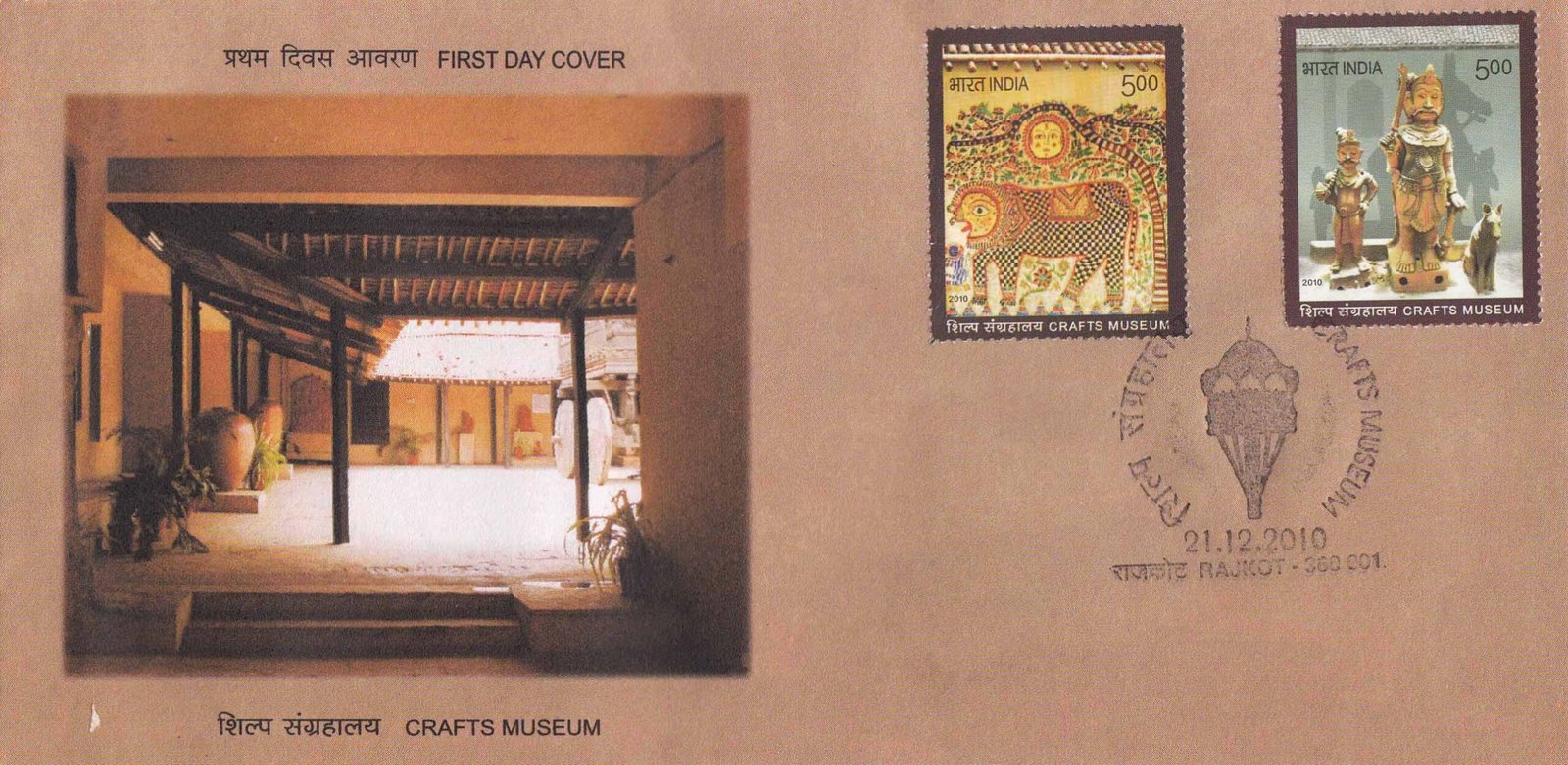
First Day Cover
Leave a Comment
You must be logged in to post a comment.