About this stamp
Ascetic, Freedom Fighter and Social Reformer
Baba Raghavdas, born Raghavendra Sheshappa Pachapurkar (1896–1958), was a renowned saint, freedom fighter, and social reformer. Widely known as “Purvanchal’s Gandhi”, he dedicated his life to national unity, rural upliftment, and social justice.
Early Life and Spiritual Journey
Baba Raghavdas was born on 12th December 1896 in Pune to Sheshappa Damodar Pachapurkar and Yashoda Devi. From a young age, he showed strong patriotic and spiritual inclinations.
- At just 11 years old, he organized a protest against the deportation of Lala Lajpat Rai
- In 1913, he left home for a spiritual journey to Banaras and Haridwar
- Became a disciple of Guru Paramhansa Anant Prabhu on the banks of the Sarayu River
Influenced by great leaders like Mahatma Gandhi and Madan Mohan Malaviya, as well as scriptures like the Ramayana and Mahabharata, his spiritual and social outlook took shape.
Role in Freedom Struggle
Baba Raghavdas joined the Indian National Congress in 1920 and began his work in Gorakhpur, Uttar Pradesh.
He actively participated in key movements:
- Protest against the Jallianwala Bagh massacre (1921)
- Involvement in the Chauri Chaura incident
- Opposition to the Simon Commission (1927)
- Participation in the Salt Satyagraha (1930)
His dedication led him to become President of the Gorakhpur District Congress Committee.
Social Work and Nation Building
After independence, Baba Raghavdas focused on social reform and rural development:
- Promoted Khadi and Village Industries
- Actively supported the Bhoodan Movement
- Undertook extensive padyatras covering over 21,000 miles
- Helped secure land donations for the landless
He strongly believed in Hindi as a unifying national language.
Contribution to Education
Baba Raghavdas established several educational institutions to uplift society:
- Shrikrishna High School
- Paramahansa Ashram
- Sanskrit Pathasala
- Rashtrabhasha Mahavidyalaya
- Buddha Inter College
His efforts significantly reduced illiteracy in the Gorakhpur region.
Humanitarian Efforts
In 1934, he played a crucial role in providing relief to victims of earthquakes and floods in Bihar, showcasing his deep commitment to humanitarian causes.
Legacy and Death
Baba Raghavdas passed away on 15th January 1958 while attending the Sarvodaya Sammelan at Shivni. His life of service earned him immense respect.
Mahatma Gandhi once said:
“If I can find a few saints like Raghavdas, I could easily win India’s Independence.”
Commemorative Recognition
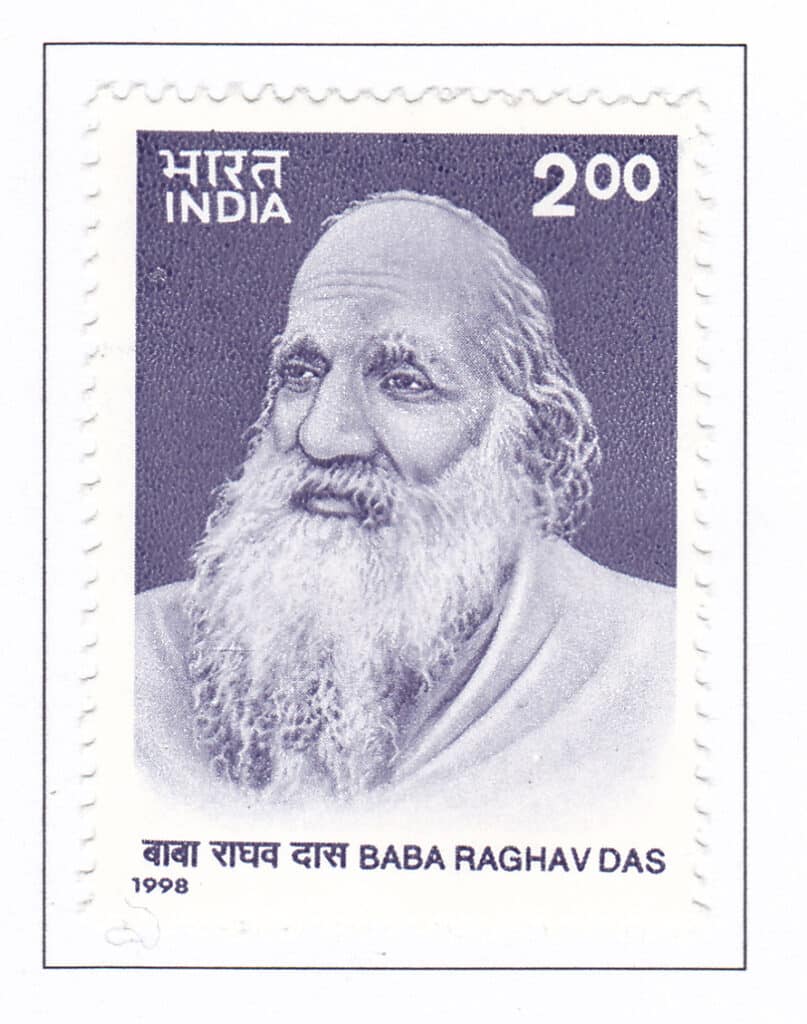
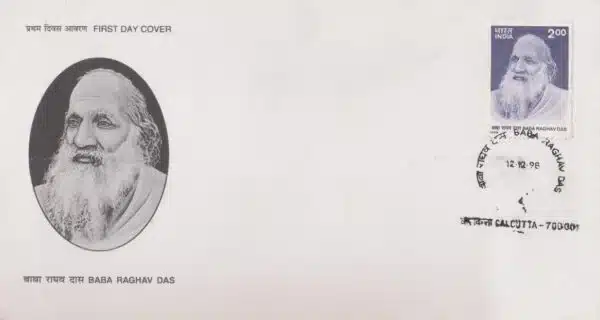
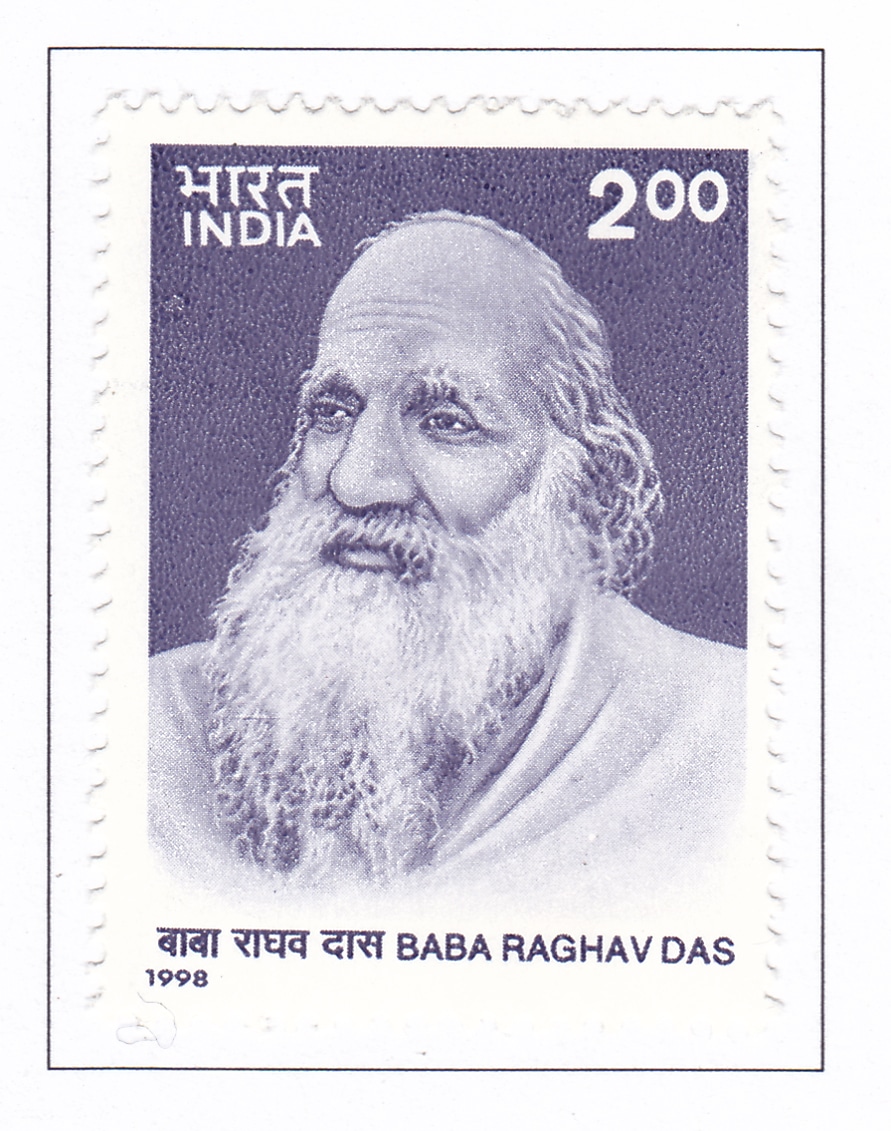
To honour his remarkable contributions, India Post issued a commemorative postage stamp on his birth anniversary.
Conclusion
Baba Raghavdas remains a symbol of selfless service, spirituality, and nation-building. His contributions to India’s freedom struggle and rural development continue to inspire generations.
For More Information
Read more here: