
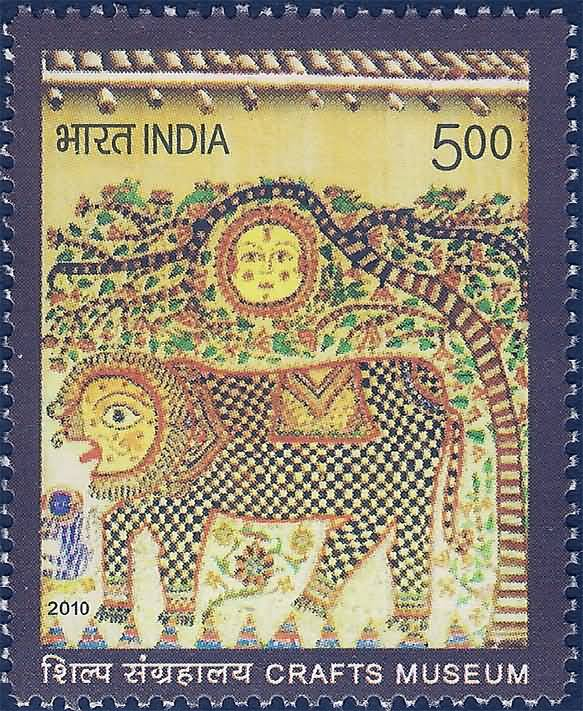
Madhubani Wall Painting
Technical Data
| Date of Issue | December 21, 2010 |
|---|---|
| Denomination | Rs. 5 |
| Quantity | 300,000 |
| Perforation | 13 |
| Printer | India Security Press, Nashik |
| Printing Process | Wet Offset |
| Watermark | No Watermark |
| Colors | Multicolor |
| Credit (Designed By) | Sh. Sankha Samanta |
| Catalog Codes |
Michel IN 2537 Stamp Number IN 2475 Stanley Gibbons IN 2777 WADP Numbering System - WNS IN083.2010 |
| Themes | Animals (Fauna) | Art | Museums | Paintings | Statues | Stylized Animals | Tigers | Wild Cats |
A Living Folk Art Tradition of India
Introduction to Madhubani Wall Painting
Madhubani Wall Painting, also known as Mithila painting, is one of India’s most celebrated folk art traditions. Originating in the Mithila region of Bihar, this vibrant art form was traditionally created by women on the walls and floors of their homes. Over time, Madhubani painting evolved from ritualistic wall art into a globally recognized symbol of India’s rich cultural heritage.
Origins and Cultural Significance
Madhubani Wall Painting has deep roots in rural traditions and is closely associated with festivals, weddings, and religious ceremonies. The paintings often depict themes from Hindu mythology, nature, folklore, and everyday village life. Deities such as Rama, Krishna, Durga, and Shiva frequently appear in these artworks, alongside motifs of the sun, moon, fish, peacocks, and sacred plants.
Traditionally, these wall paintings were made using natural pigments derived from flowers, leaves, and minerals. The art was created on freshly plastered mud walls using bamboo sticks, twigs, and fingers, reflecting the close relationship between art and daily life in rural communities.
Artistic Style and Techniques
Madhubani Wall Painting is known for its bold lines, intricate patterns, and vibrant colours. The entire surface is usually filled with decorative motifs, leaving little empty space. Geometric designs and symbolic imagery play a significant role in conveying spiritual and social meanings.
Over time, the art form transitioned from walls to handmade paper, cloth, and canvas, allowing artisans to preserve and market their work more widely. Despite this shift, the essence of the original wall painting tradition remains intact.
Preservation and Promotion of Folk Art
Institutions dedicated to preserving traditional crafts and folk arts have played a vital role in promoting Madhubani painting. Museums and cultural centres, such as the National Handicrafts and Handlooms Museum, showcase examples of traditional folk and tribal art, including wall painting traditions like Madhubani. These efforts help sustain indigenous art forms and provide artisans with recognition and livelihood opportunities.
Educational programmes and live demonstration initiatives further encourage awareness among students, researchers, and visitors, ensuring that this centuries-old art form continues to thrive.
Evolution into a Global Art Form
What began as a domestic wall decoration has now gained international recognition. Madhubani paintings are exhibited in galleries, collected by art enthusiasts, and appreciated for their distinctive style and cultural authenticity. The art form has also empowered rural women by providing economic independence through craft-based livelihoods.
Legacy of Madhubani Wall Painting
Madhubani Wall Painting stands as a powerful symbol of India’s folk creativity and cultural continuity. Its vibrant colours, spiritual themes, and intricate designs reflect the artistic sensibilities of rural India. As part of the broader tradition of Indian handicrafts and handlooms, Madhubani painting continues to inspire, preserve heritage, and celebrate the living traditions of the country.
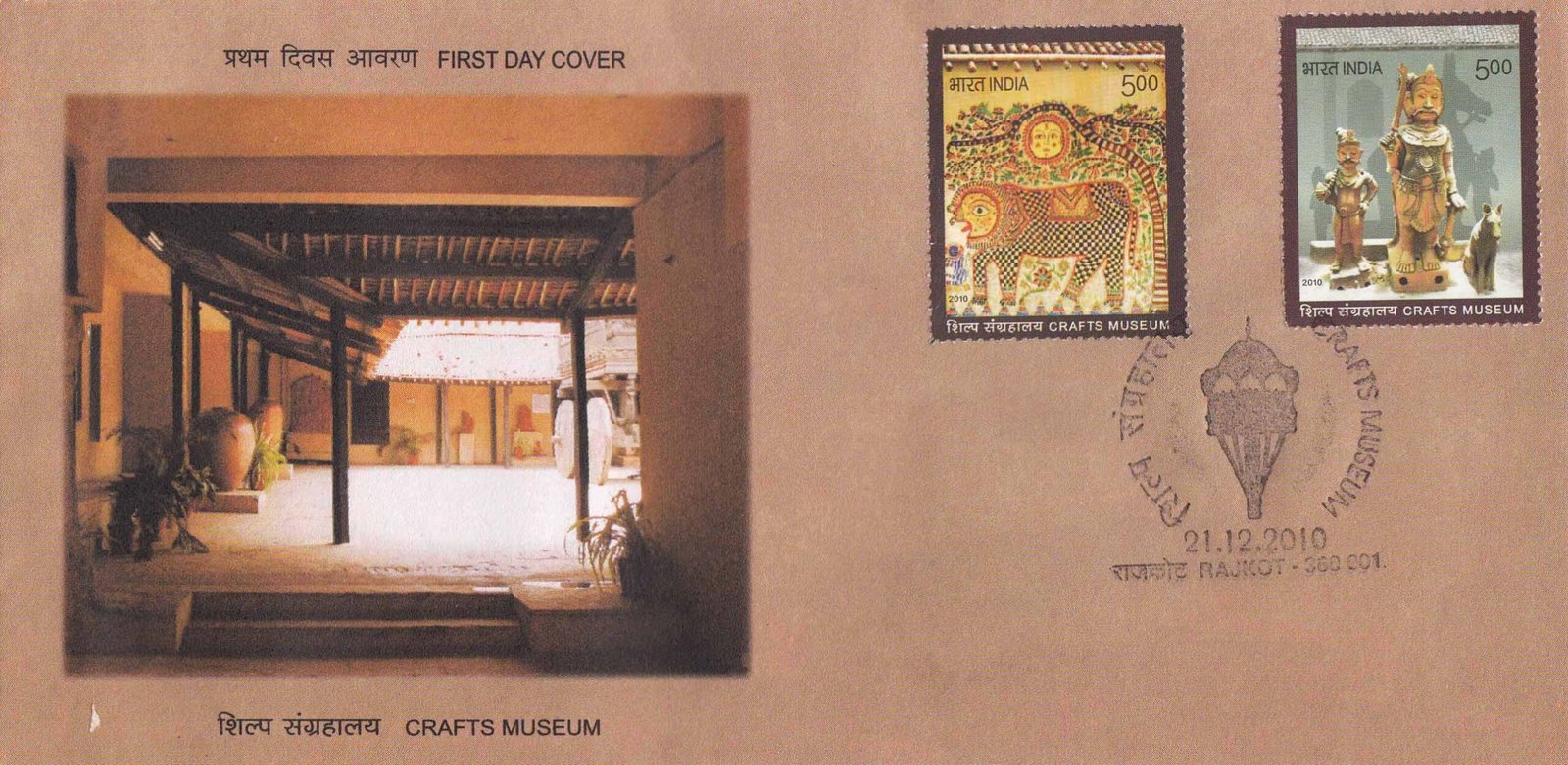
Commemorative Postage Stamp
In recognition of its significant contribution to preserving India’s cultural heritage, a commemorative postage stamp was issued on the National Handicrafts and Handlooms Museum.
First Day Cover
Leave a Comment
You must be logged in to post a comment.