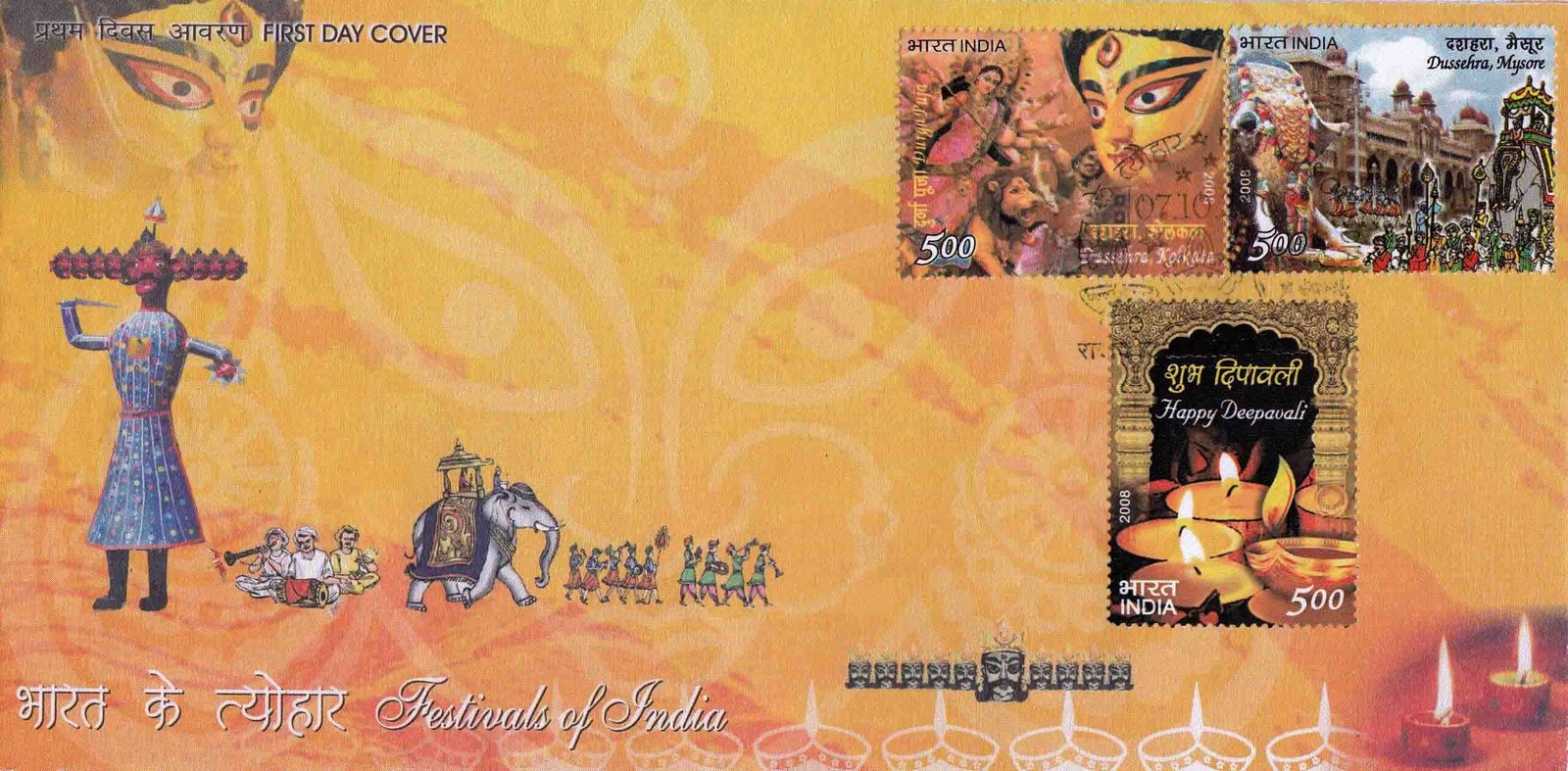
Festivals of India

Technical Data
| Date of Issue | October 7, 2008 |
|---|---|
| Denomination | Rs. 15 |
| Quantity | 1,000,000 |
| Perforation | 13 |
| Printer | India Security Press, Nasik |
| Printing Process | Photo Gravure |
| Watermark | No Watermark |
| Colors | Multicolor |
| Credit (Designed By) | Sh. Brahm Prakash |
| Catalog Codes |
Michel IN BL58 Stamp Number IN 2259a Stanley Gibbons IN MS2508 WADP Numbering System - WNS IN041MS.2008 |
| Themes | Animals (Fauna) | Elephants | Feasts | Festivals | Folklore | Lamps and Candles | Mammals |
Stamps in this Miniature Sheet
The Land of Festivals
India, a vibrant land enriched with mythology, faith, and centuries-old traditions, is often described as a mystic land of festivals. These colourful celebrations unite people across diverse regions, languages, and religions, creating a cultural spectacle unmatched anywhere in the world. Among the most significant and widely celebrated festivals of India are Dussehra and Diwali.
Dussehra: The Triumph of Good Over Evil
Dussehra, also known as Vijayadashami, is one of the most important festivals of India. Celebrated over ten days, it marks the culmination of Navratri — nine sacred nights dedicated to the worship of Goddess Durga. Observed in the Hindu month of Ashwin (September–October), Dussehra symbolizes the eternal victory of good over evil. Though the legends and rituals vary across regions, the core message remains universal — righteousness ultimately prevails.
Dussehra in North India
In North India, Dussehra commemorates the victory of Lord Rama over Ravana, the ruler of Lanka, who, according to the epic Ramayana, abducted Sita. During the festival, dramatic enactments known as Ramlila depict episodes from the epic with great enthusiasm.
On Vijayadashami, massive effigies of Ravana, Meghnath, and Kumbhakarna are burnt in public grounds, symbolizing the destruction of evil and marking a vibrant conclusion to the celebrations.
The Legend of Goddess Durga
In southern, eastern, and western India, the festival celebrates Goddess Durga’s victory over the demon Mahishasura. According to legend, when Mahishasura defeated the gods, they sought help from the divine trinity — Brahma, Vishnu, and Mahesh — who invoked Goddess Durga. Armed with celestial weapons and riding a lion, she vanquished the demon near present-day Mysore. This victory forms the basis of the grand Navratri and Dasara celebrations across many regions.
The Mahabharata Legend and Vijayadashami
Another legend from the epic Mahabharata associates Vijayadashami with the Pandavas. After completing twelve years of exile and one year incognito in King Virat’s court, they retrieved their weapons hidden in a Shami tree and declared their identity. The Kauravas attacked but were defeated on Vijayadashami, making the exchange of Shami leaves a symbol of honour and victory in many parts of India.
Durga Puja in Bengal
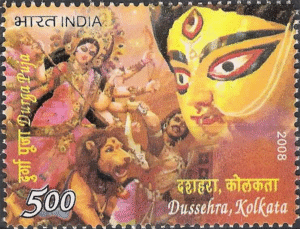
In Bengal, the festival is celebrated as Durga Puja, renowned worldwide for its artistic grandeur and devotional fervour. Elaborate pandals, magnificent idols, cultural performances, and community festivities define the celebration.
Over ten days, Goddess Durga is worshipped in her various forms symbolizing power, wisdom, and prosperity. On Vijayadashami, the idols are immersed in water following traditional rituals. Durga Puja has evolved into a major socio-cultural event celebrated not only in West Bengal but also in states like Assam, Bihar, Delhi, Jharkhand, Uttar Pradesh, Punjab, Haryana, and Himachal Pradesh.
Navratri in Gujarat and Western India
Navratri takes on a lively and colourful form in Gujarat, as well as parts of Rajasthan and Maharashtra. The highlights are the vibrant folk dances of Garba and Dandiya Raas. Men and women dressed in traditional attire gather to perform rhythmic dances that reflect devotion, agricultural traditions, and the joyous spirit of the season.
Mysore Dasara: A Royal Celebration
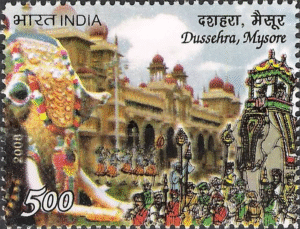
The city of Mysore is synonymous with grand Dasara celebrations. Recognized as the state festival of Karnataka, Mysore Dasara is celebrated with regal splendour.
The illuminated Mysore Palace becomes the centre of attraction, hosting cultural performances by renowned artists. A majestic procession features the idol of Goddess Chamundeshwari placed in a golden howdah atop a decorated elephant. The festivities conclude with a torchlight parade and spectacular fireworks display.
Diwali: The Festival of Lights
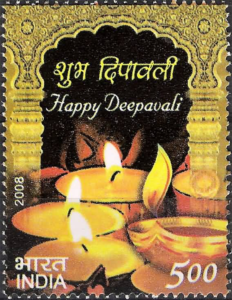
Diwali, also known as Deepavali, is one of the most significant and widely celebrated festivals in India and across the world. The Sanskrit term ‘Deepavali’ combines ‘Deep’ (lamp) and ‘Avali’ (row), meaning a row of lamps.
The festival marks the return of Lord Rama, Sita, and Lakshman to Ayodhya after fourteen years of exile. To welcome them, the people illuminated the kingdom with rows of oil lamps — a tradition that continues today.
Rituals and Celebrations of Diwali
Diwali is dedicated to Goddess Lakshmi, Goddess Kali, and Goddess Saraswati, symbolizing wealth, power, and wisdom. Homes are decorated with colourful rangoli designs, floral arrangements, and rows of glowing diyas. Special prayers are offered, sweets and gifts are exchanged, and fireworks light up the night sky.
The festival embodies togetherness, prosperity, and the triumph of light over darkness and good over evil.
Commemoration by India Post
Honouring the rich traditions and festive spirit of the nation, India Post has commemorated Dussehra and Diwali with a special set of postage stamps — two dedicated to Dussehra and one to Diwali — celebrating India’s enduring cultural heritage and unity in diversity.
First Day Cover