
Grand Lodge of India
Technical Data
| Date of Issue | November 25, 2011 |
|---|---|
| Denomination | Rs. 5 |
| Quantity | 400,000 |
| Perforation | 13 |
| Printer | India Security Press, Nashik |
| Printing Process | Wet Offset |
| Watermark | No Watermark |
| Colors | Multicolor |
| Credit (Designed By) | Mr. Suresh Kumar Smt. Alka Sharma |
| Catalog Codes |
Michel IN 2625 Stanley Gibbons IN 2843 WADP Numbering System - WNS IN049.2011 |
| Themes | Anniversaries and Jubilees | Buildings | Freemasons / Masonic Orders |
Golden Jubilee Commemoration
Introduction to Freemasonry
Freemasonry is one of the world’s oldest and largest secular fraternal organizations, founded on the universal principles of the Fatherhood of God and the Brotherhood of Man. Its enduring motto—“Brotherly Love, Relief and Truth”—emphasizes secularism, mutual respect, tolerance of all religions, and belief in a Supreme Being, without adherence to any particular faith.
Ideals and Values
Freemasonry is an apolitical and non-sectarian institution that encourages charity, moral conduct, and ethical living. It upholds the virtues of Temperance, Fortitude, Prudence, and Justice, while extending fellowship and providing relief to those in distress. Through these ideals, Freemasonry seeks to promote harmony and goodwill among people from diverse backgrounds.
Origins and Global Presence
Although the exact origins of Freemasonry are not clearly documented, its modern form originated in England in 1717. Today, Freemasonry is present in over 190 countries, with an estimated five million members worldwide, making it a truly global fraternity.
Freemasonry in India
Freemasonry was established in India in 1729 at Kolkata, making it one of the earliest countries outside Europe to embrace the fraternity. Indian Freemasonry today comprises over 20,000 members, drawn from all walks of life, who meet on equal footing irrespective of social, religious, or professional differences.
The Masonic Structure
The Masonic Lodge is the basic unit of Freemasonry. The collective body of such lodges forms a Grand Lodge, which governs and administers Freemasonry within a defined jurisdiction.
Formation of the Grand Lodge of India
Initially, Masonic lodges in India functioned under the authority of the Grand Lodges of England, Scotland, and Ireland. After India’s independence, the lodges resolved to establish a sovereign national body. Consequently, the Grand Lodge of India was formally consecrated on 24 November 1961 at New Delhi, marking a significant milestone in Indian Freemasonry.
Eminent Indian Freemasons
Several distinguished Indians have been associated with Freemasonry, including Swami Vivekananda, Motilal Nehru, C. Rajagopalachari, and Fakhruddin Ali Ahmed, reflecting the fraternity’s wide intellectual and social influence.
Golden Jubilee Celebration
The Grand Lodge of India is celebrating its Golden Jubilee in November, commemorating fifty years of its establishment and service to society through the promotion of moral values, brotherhood, and charitable activities.
Commemorative Postage Stamp
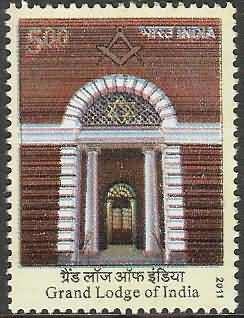
To mark this significant occasion, India Post is pleased to issue a Commemorative Postage Stamp on the “Grand Lodge of India”, celebrating its Golden Jubilee and recognizing its enduring contribution to social harmony and humanitarian values.
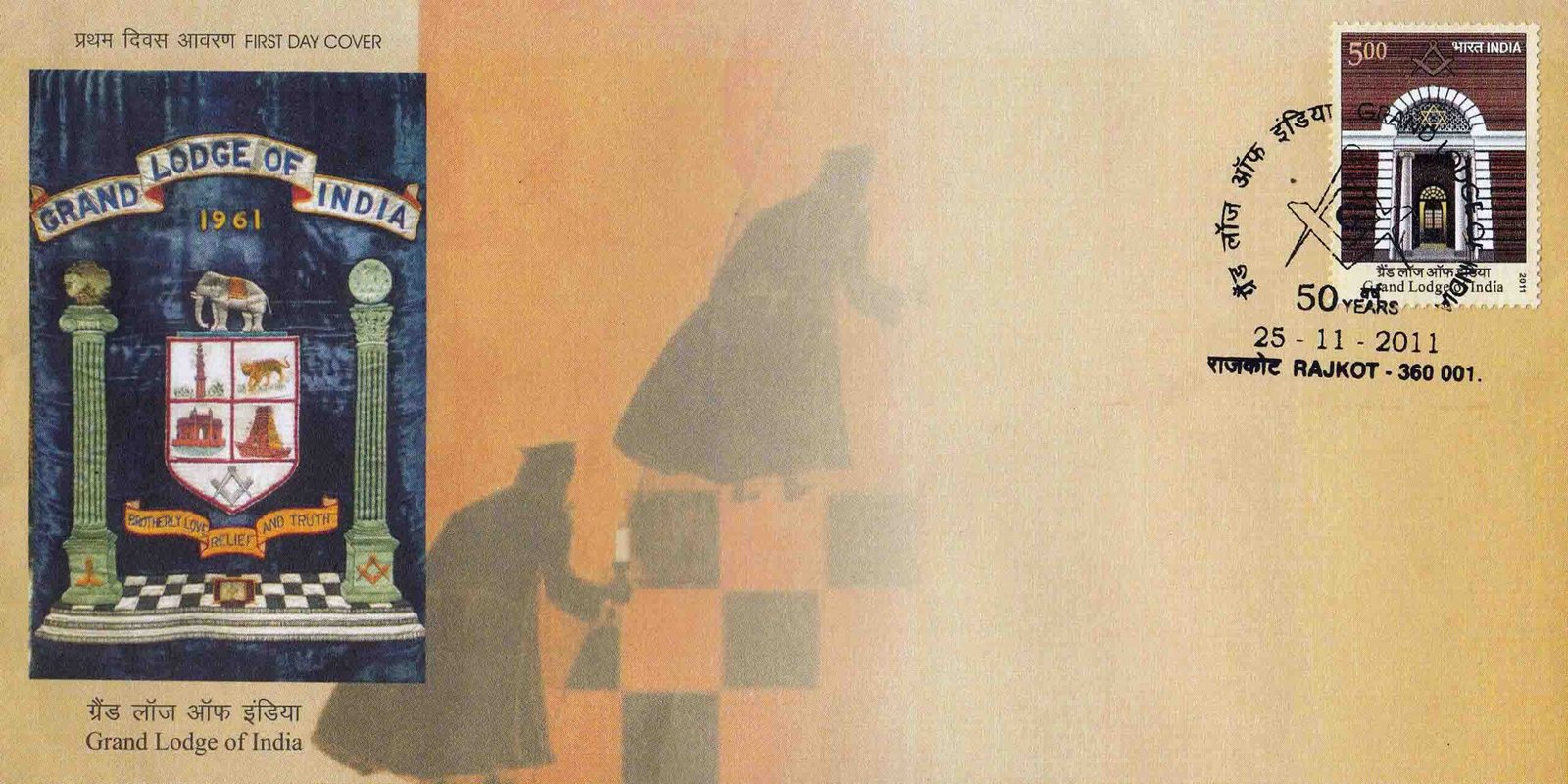
First Day Cover
Leave a Comment
You must be logged in to post a comment.