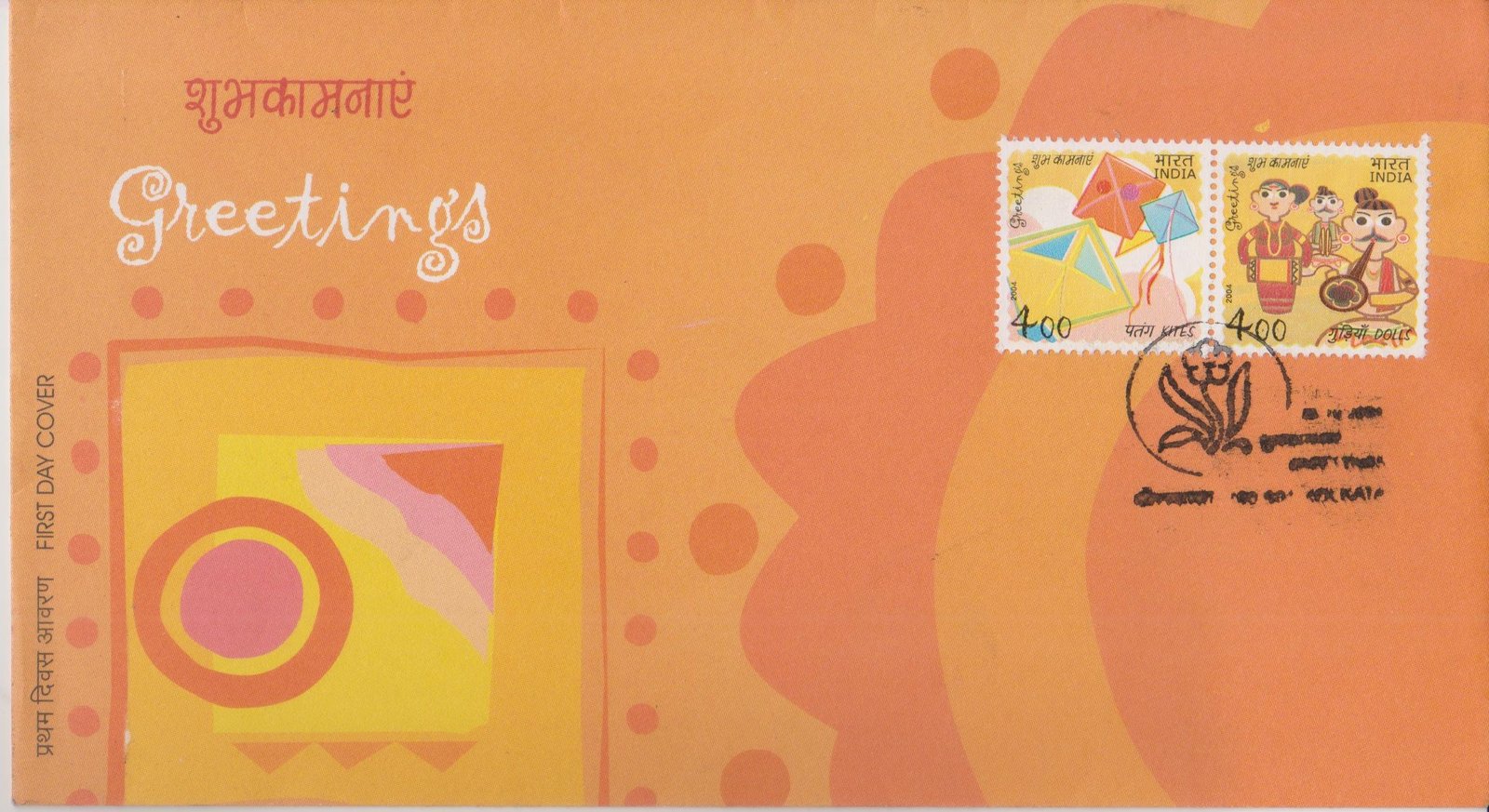
Greetings 2004
Technical Data
| Date of Issue | October 25, 2004 |
|---|---|
| Denomination | Rs. 8 |
| Perforation | comb 13½ |
| Printer | Security Printing Press, Nashik |
| Printing Process | Photogravure |
| Watermark | No Watermark |
| Colors | Multicolor |
| Credit (Designed By) | Smt. Alka Sharma |
| Catalog Codes |
Michel IN 2055-2056 Stamp Number IN 2083 Yvert et Tellier IN 1820-1821 Stanley Gibbons IN 2235a |
| Themes | Greetings | Toys |
Stamps in this Se-Tenant
Celebrating Emotions Through Kites and Dolls
Greetings have always been a meaningful way of expressing emotions, affection, and goodwill. Whether celebrating festivals, strengthening relationships, or maintaining social connections, the exchange of greetings plays an important role in human interaction. Over time, greetings have evolved from letters written on leaves and bark scrolls to inscriptions on gold, silver, and copper plaques, and eventually to modern greeting cards sent by post and electronic communication.
Recognizing the cultural significance of greetings, India Post has issued special greetings stamps since 1990. These stamps symbolize joy and goodwill and often accompany greeting cards sent during festive occasions.
History of Greeting Traditions
The tradition of exchanging greetings dates back thousands of years. Historical records show that in Ancient Egypt and Ancient Rome, people marked the New Year by exchanging symbolic gifts such as perfumes, laurel branches, and olive branches decorated with gold leaves.
The custom continued to evolve over centuries. A major transformation occurred with the invention of the Printing Press, which made printed greetings widely accessible. Another milestone came with the introduction of the Penny Post, which allowed letters and greeting cards to be sent cheaply and efficiently.
The first modern Christmas greeting card was designed in 1843 in the United Kingdom, marking the beginning of the greeting card tradition. By the 1860s, commercial greeting card production had become firmly established.
Greeting Cards in Indian Festivals
India’s rich cultural diversity is reflected in its numerous festivals, and greeting cards have become an integral part of these celebrations. People commonly send greetings during major festivals such as:
- Diwali
- Holi
- Pongal
- Durga Puja
- Baisakhi
- Christmas
- Bihu
- Eid al-Fitr
Greeting cards are also used to express love, friendship, sympathy, gratitude, and congratulations. The visual imagery on stamps and cards often leaves a stronger impression than words alone.
Greetings Stamps Featuring Kites and Dolls
To celebrate the festive spirit, India Post released a set of two commemorative greeting stamps featuring kites and dolls—two cultural symbols deeply rooted in Indian tradition. These stamps capture the joy and warmth associated with sending greetings during festive occasions.
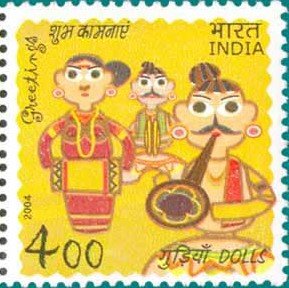
Dolls: Cultural Ambassadors of Indian Heritage
Dolls have long been a vibrant expression of cultural traditions across India. Through dolls, the rich heritage and artistic traditions of different regions are beautifully represented.
Over the centuries, the materials used to create dolls have evolved from stone and clay to cloth, wood, and modern materials. Yet their cultural significance remains unchanged. Dolls reflect the diversity of Indian life and traditions and have evolved alongside the 5,000-year history of Indian civilization.
Today, dolls serve not only as toys but also as cultural ambassadors, showcasing regional costumes, customs, and artistic styles from across India.
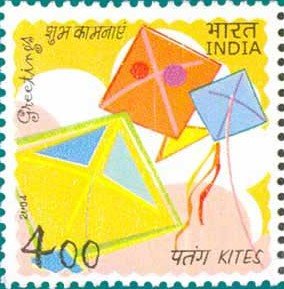
Kites: A Symbol of Joy and Celebration
Kites have fascinated people around the world for centuries. Although the exact origin of kite flying is uncertain, historians believe that kites were first flown in China more than 2,000 years ago.
Each culture has developed its own style and tradition of kite flying. In India, kite flying has become a popular social and festive activity, bringing together friends and families.
Historical evidence of kite flying in India appears in miniature paintings from the Mughal period. In the 18th and 19th centuries, kites were also used for scientific research, helping scientists understand important aerodynamic principles. These discoveries later contributed to the development of technologies such as airplanes, parachutes, and gliders.
Even today, kite flying remains a joyful activity, filling the sky with vibrant colours and festive excitement.
Philatelic Tribute
To celebrate this tradition of sharing happiness and festive messages, India Post issued a set of two commemorative postage stamps on the theme of Greetings, featuring kites and dolls.
These stamps symbolize the spirit of celebration and communication, reminding us that even a small gesture—like sending a greeting—can strengthen relationships and spread joy across distances.
First Day Cover