
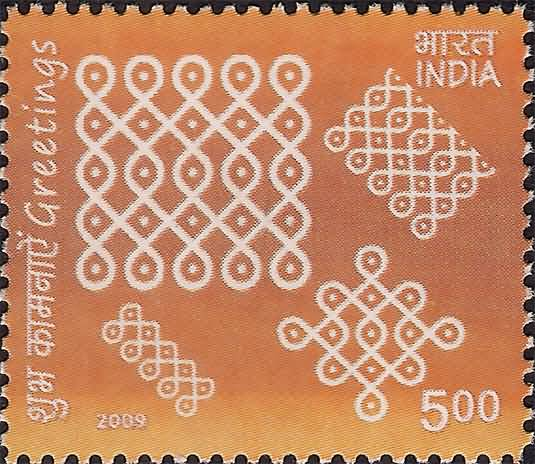
Four White Filigree Patterns
Technical Data
| Date of Issue | December 11, 2009 |
|---|---|
| Denomination | Rs. 5 |
| Quantity | 800,000 |
| Perforation | 13 |
| Printer | India Security Press, Nasik |
| Printing Process | Wet Offset |
| Watermark | No Watermark |
| Colors | Multicolor |
| Credit (Designed By) | Sh. Sankha Samanta |
| Catalog Codes |
Michel IN 2440 Stamp Number IN 2378 Stanley Gibbons IN 2665 WADP Numbering System - WNS IN093.2009 |
| Themes | Greetings |
Elegance in Delicate Craftsmanship
Four White Filigree Patterns represent refined artistry rooted in India’s long-standing decorative traditions. Filigree work, known for its intricate lace-like detailing, transforms simple metal into delicate ornamental designs. When crafted in white or silver tones, these patterns radiate purity, sophistication, and timeless charm.
Filigree is created by twisting and curling fine metal wires into floral, geometric, and ornamental motifs. The resulting patterns resemble embroidery in metal—light, airy, and highly detailed. The “four patterns” concept often reflects symmetry and balance, with each design complementing the others while maintaining its unique character.
Heritage of Filigree Craft in India
India has a distinguished legacy of filigree craftsmanship, particularly in eastern regions. The city of Cuttack is especially renowned for its silver filigree work, locally known as Tarakasi. Artisans here skillfully shape fine silver wires into floral vines, petals, scrolls, and lattice-like forms.
Similarly, Karimnagar in Telangana is known for intricate silver filigree articles. These patterns often feature:
- Stylized flowers and leaves
- Symmetrical scrollwork
- Heart-inspired curves
- Geometric lattice designs
White filigree patterns are commonly used in jewelry, decorative panels, ceremonial items, and gift articles. Their elegance lies in the interplay of light and shadow created by the openwork design.
Symbolism and Aesthetic Appeal
White or silver-toned filigree symbolizes purity, refinement, and celebration. Floral motifs within the patterns represent prosperity and harmony, while heart-like curves signify affection and unity. The symmetry of four coordinated patterns reflects balance and completeness, much like Mandala-inspired designs in Indian decorative art.
Each piece demands exceptional patience and precision. The artisan twists, shapes, and solder fine wires by hand, ensuring that every curve and detail aligns perfectly within the overall composition.
Commemorative Postage Stamp on White Filigree Patterns
Recognizing India’s exquisite handicraft traditions, India Post has issued commemorative postage stamps highlighting the country’s rich decorative arts, including filigree craftsmanship.
These commemorative postage stamps showcase the intricate beauty of white filigree patterns, serving as miniature tributes to the skilled artisans who preserve this heritage. By featuring such designs, the stamps promote awareness of traditional crafts while celebrating India’s artistic excellence.
Four White Filigree Patterns embody delicacy, balance, and masterful craftsmanship. Whether displayed in jewelry, decorative art, or commemorative postage stamps, these designs continue to captivate with their graceful intricacy and enduring cultural significance.
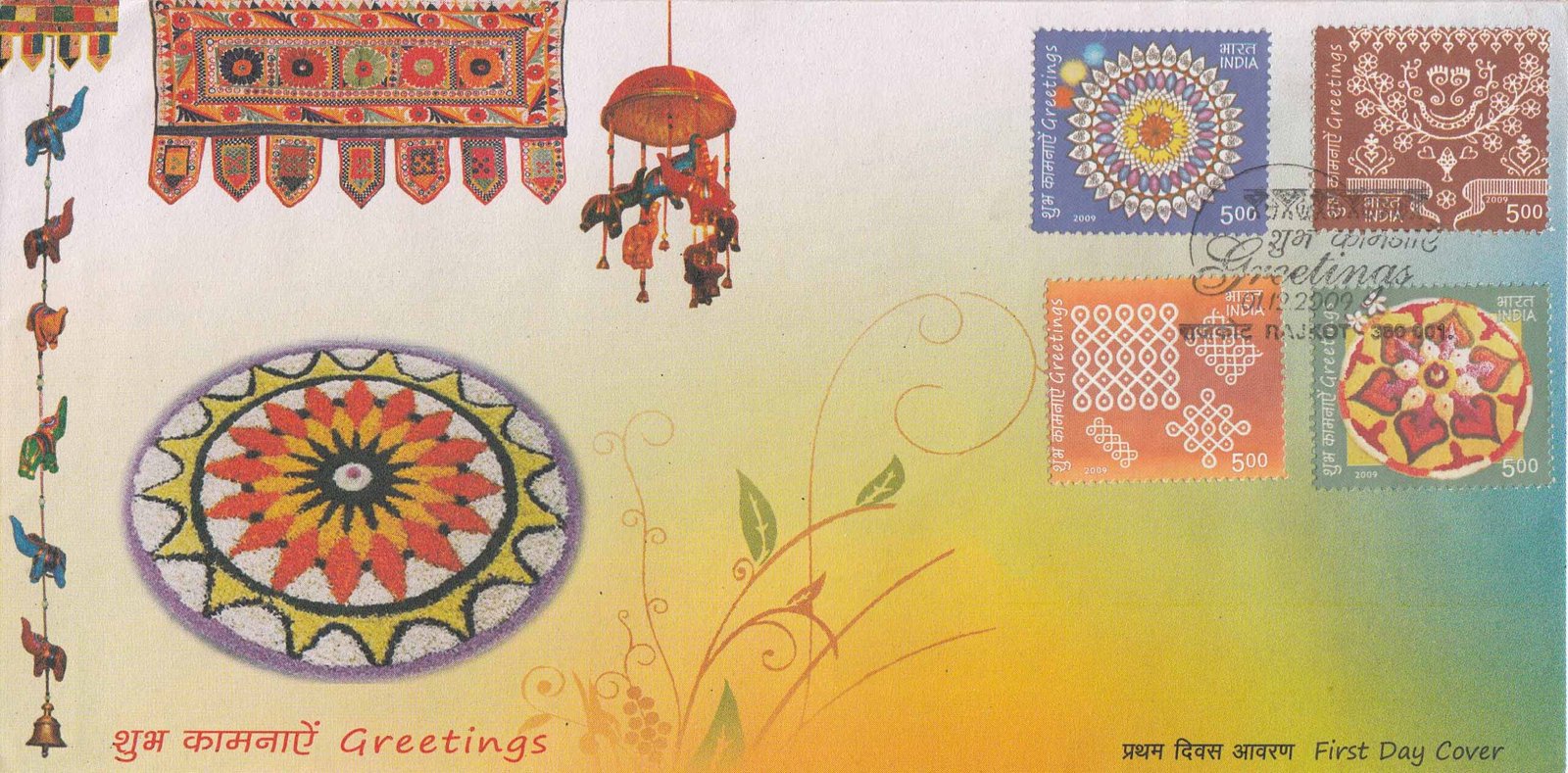
First Day Cover
Leave a Comment
You must be logged in to post a comment.