Kathakali Dancer, India

Technical Data
| Date of Issue | April 26, 2002 |
|---|---|
| Denomination | Rs. 15 |
| Quantity | 1,600,000 |
| Perforation | comb 13½ x 13 |
| Printer | Calcutta Security Printers Ltd |
| Printing Process | Offset Lithography |
| Watermark | No Watermark |
| Colors | Multicolor |
| Credit (Designed By) | Shri Kamleshwar Singh |
| Catalog Codes |
Michel IN 1901 Stamp Number IN 1953a Yvert et Tellier IN 1665 Stanley Gibbons IN 2066 WADP Numbering System - WNS IN012.02 |
| Themes | Anniversaries and Jubilees | Dance | Diplomacy | Suits and Costumes | Traditions |
The Symbol of India’s Classical Dance Drama
A Kathakali dancer represents one of the most vibrant and expressive traditions of Indian performing arts. Known for its elaborate costumes, intricate makeup, and powerful storytelling, Kathakali is a unique blend of dance, drama, music, and devotion.
Origin and Cultural Significance
Kathakali originated in the southern state of Kerala and is deeply rooted in India’s cultural and spiritual traditions. This classical dance form depicts stories from ancient epics like the Ramayana and Mahabharata, bringing mythological characters to life through expressive performances.
Kathakali dancers undergo rigorous training to master facial expressions, hand gestures (mudras), and body movements, which are essential for conveying emotions and narratives without spoken words.
Unique Features of a Kathakali Dancer
A Kathakali dancer is instantly recognizable due to:
- Elaborate and colorful facial makeup
- Large, ornate headgear and costumes
- Highly stylized facial expressions and eye movements
- Detailed hand gestures used to narrate stories
Each feature contributes to the dramatic and symbolic storytelling that defines Kathakali.
Commemorative Postage Stamp on Kathakali Dancer
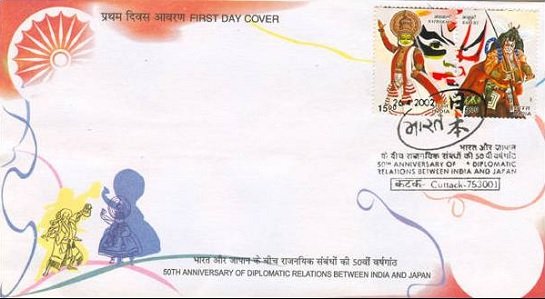
The cultural importance of Kathakali has been recognized through philately as well. To mark the 50th Anniversary of Diplomatic Relations between India and Japan, India Post issued a commemorative postage stamp featuring a Kathakali dancer.
This stamp was part of a miniature sheet that also showcased Kabuki, symbolizing the rich classical performing arts traditions of both nations. The Kathakali dancer depicted on the stamp highlights the visual richness, expressive power, and cultural depth of this Indian art form.
Artistic Expression and Training
Becoming a Kathakali dancer requires years of disciplined training and dedication. Performers develop:
- Exceptional control over facial muscles and eye movements
- Physical strength and endurance
- Mastery of rhythm, music, and traditional gestures
- Ability to portray complex characters and emotions
This intensive training transforms the dancer into a visual storyteller.
Conclusion
A Kathakali dancer embodies the essence of India’s classical heritage. Through intricate expressions, elaborate costumes, and powerful storytelling, Kathakali continues to captivate audiences worldwide. The commemorative postage stamp further honors this timeless art form, celebrating its role as a cultural bridge between India and the world.
First Day Cover