
Bamra
Technical Data
| Date of Issue | October 6, 2010 |
|---|---|
| Denomination | Rs. 5 |
| Quantity | 400,000 |
| Perforation | 13 |
| Printer | India Security Press, Nashik |
| Printing Process | Wet Offset |
| Watermark | No Watermark |
| Colors | Multicolor |
| Credit (Designed By) | Shri Kamleshwar Singh |
| Catalog Codes |
Michel IN 2515 Stamp Number IN 2453 Stanley Gibbons IN 2752 WADP Numbering System - WNS IN059.2010 |
| Themes | Philatelic Exhibitions | Stamps |
An Oriya Feudatory State with a Distinct Postal Legacy
Bamra State was one of the notable princely states of eastern India, covering an area of approximately 5,149 square kilometres. It was among the five Oriya feudatory states that were transferred from the Central Provinces to Bengal during the reconstitution of that province in October 1905. Deogarh served as its capital and administrative centre.
Historical Background
According to legend, the Raja of Bamra belonged to the Ganga Vanshi dynasty of Utkal and was made the ruler of Bamra around 1602. The dynasty played a significant role in shaping the political and cultural identity of the region.
The last ruler of Bamra was Raja Bamra Bhanuganga Tribhuban Deb, who reigned from 1920 until 1947. Following India’s Independence, the state acceded to the Indian Union and later became part of the state of Odisha.
Philatelic Significance
Bamra holds a special place in the philatelic history of India. The state issued its own postage stamps from 1888 to 1894, after which its postal system was taken over by the British India Post Office.
The stamps were denominated in annas and were primarily intended for internal postal use. Due to their limited period of issue and restricted circulation, Bamra stamps are today considered rare and are highly valued by collectors of Indian feudatory state stamps.
Commemorative Stamp
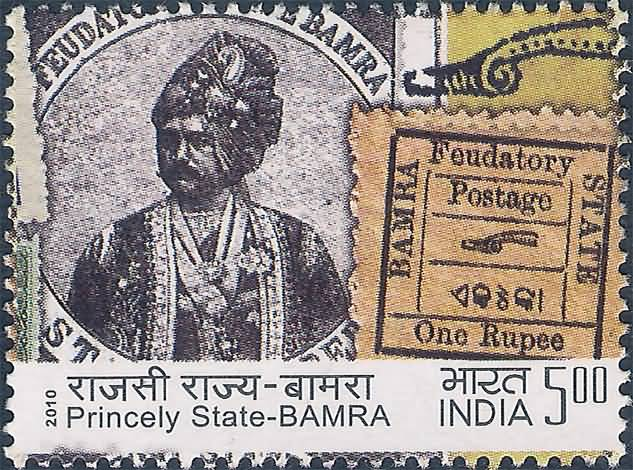
To honour the historical and philatelic legacy of Bamra State, India Post issued a commemorative postage stamp. The stamp celebrates the state’s contribution to India’s rich heritage, particularly its role in governance, cultural development, and the evolution of postal services during the princely era.
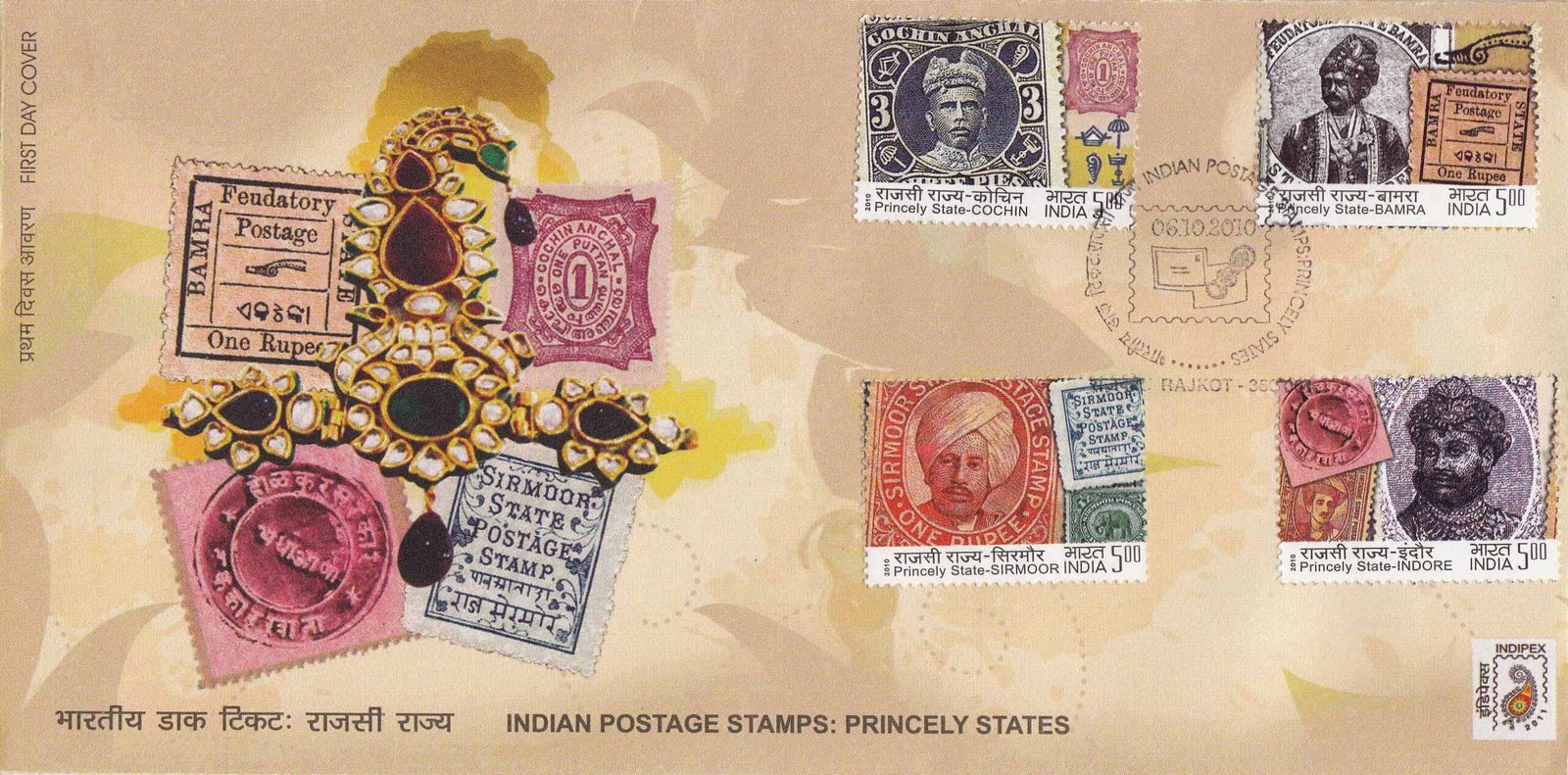
First Day Cover
Leave a Comment
You must be logged in to post a comment.