
Parashurama
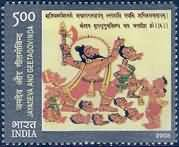
Technical Data
| Date of Issue | July 27, 2009 |
|---|---|
| Denomination | Rs. 5 |
| Quantity | 1,000,000 |
| Perforation | 13 |
| Printer | India Security Press, Nasik |
| Printing Process | Photo Gravure |
| Watermark | No Watermark |
| Colors | Multicolor |
| Credit (Designed By) | Sh. Sankha Samanta |
| Catalog Codes |
Michel IN 2394 Stamp Number IN 2334f Stanley Gibbons IN 2607 WADP Numbering System - WNS IN043.2009 |
| Themes | Poems |
The Warrior Sage in the Dashavatara Tradition
Parashurama, the sixth avatar of Lord Vishnu in the Dashavatara tradition, is revered as the warrior sage who restored balance and righteousness in a time of moral decline. Known for his fierce commitment to dharma and justice, Parashurama represents divine intervention against tyranny and corruption.
He is uniquely depicted as both a Brahmin by birth and a warrior by action, symbolizing the union of spiritual wisdom and martial strength.
Parashurama in Geetagovinda and Dashavatara
The celebrated Sanskrit devotional masterpiece Gita Govinda, composed by saint poet Jayadeva, glorifies the ten incarnations of Vishnu in the famous Dashavatara stotra. Among these divine manifestations, Parashurama is praised as the wielder of the axe who punished arrogant rulers and restored moral order.
Jayadeva’s poetic verses portray Parashurama as a symbol of divine justice. His mission was to eliminate oppressive forces and re-establish the supremacy of righteousness, reinforcing the eternal principle that adharma (unrighteousness) cannot prevail.
The Dashavatara hymns, including the reference to Parashurama, are sung in temples and performed in classical dance traditions across India.
Symbolism and Attributes of Parashurama
Parashurama is traditionally depicted with:
- A battle axe (parashu), symbolizing strength and justice
- Ascetic attire reflecting his sage-like discipline
- A determined and fearless demeanor
His life story reflects devotion to duty and unwavering commitment to truth. Unlike other avatars who ruled kingdoms, Parashurama is portrayed as a wandering ascetic warrior who carried out his divine mission without seeking power or wealth.
Cultural and Artistic Influence
The figure of Parashurama has inspired:
- Temple sculptures and carvings
- Classical dance performances depicting Dashavatara themes
- Devotional songs and recitations
- Traditional paintings across various regions of India
Through works like Geetagovinda, the Dashavatara narrative — including Parashurama — became deeply embedded in India’s artistic and devotional traditions.
Commemorative Stamp on Dashavatara
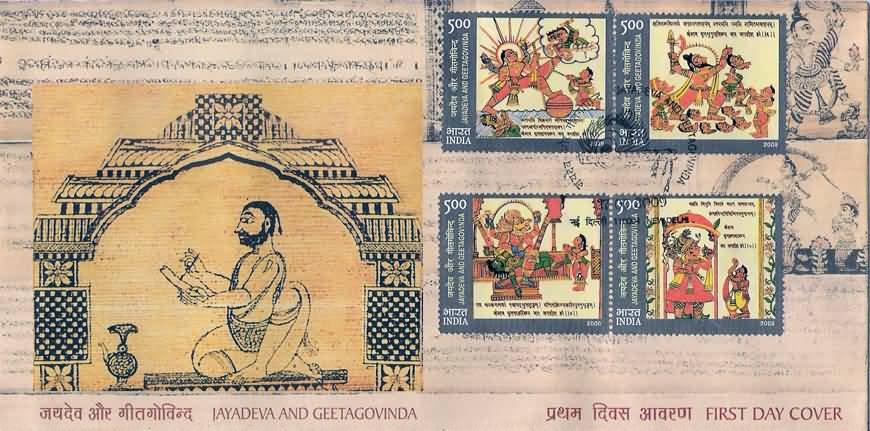
Recognizing the cultural and spiritual significance of Jayadeva’s compositions, India Post issued a commemorative postage stamp dedicated to Jayadeva and Geetagovinda. The Dashavatara theme, including Parashurama, is prominently represented in this philatelic tribute.
Parashurama: A Symbol of Justice and Discipline
Parashurama stands as a powerful reminder that divine strength must always serve righteousness. As the warrior sage of the Dashavatara, he represents the restoration of balance in times of moral crisis.
Through devotional literature, temple traditions, classical performances, and commemorative stamps, the legacy of Parashurama continues to inspire faith, courage, and ethical living.
First Day Cover
Leave a Comment
You must be logged in to post a comment.