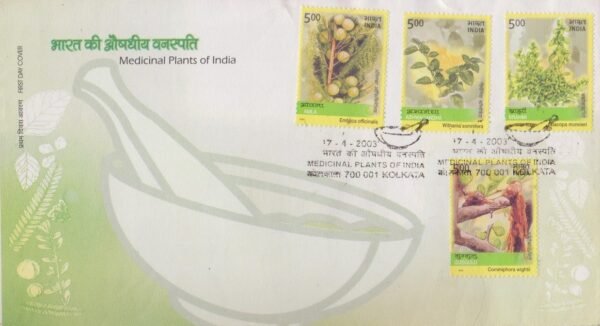
Medicinal Plants of India

Technical Data
| Date of Issue | April 7, 2003 |
|---|---|
| Denomination | Rs. 20 |
| Perforation | comb13 x 13¼ |
| Printer | Calcutta Security Printers Ltd |
| Printing Process | Offset Lithography |
| Watermark | No Watermark |
| Colors | Multicolor |
| Credit (Designed By) | Shri Kamleshwar Singh |
| Catalog Codes |
Michel IN BL17 Stanley Gibbons IN 2002e Yvert et Tellier IN BF16 Stanley Gibbons IN MS2127 |
| Themes | Plants (Flora) |
Stamps in this Miniature Sheet
A Timeless Healing Tradition
The medical heritage of India is deeply rooted in an extensive knowledge of medicinal plants. From ancient folk practices to well-documented systems, plants have played a vital role in healing for thousands of years. References in the Atharva Veda reveal that the use of medicinal plants in India dates back more than three millennia.
Over time, this knowledge evolved into a specialized branch of study known as Dravya Guna Shastra, where plants are analyzed based on parameters such as rasa (taste), guna (quality), virya (potency), vipaka (metabolic effect) and prabhava (biological impact). Thousands of formulations—both codified and from folk traditions—demonstrate the depth and sophistication of India’s traditional medicine systems.
Important Medicinal Plants
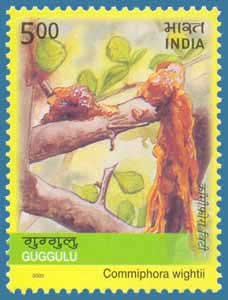
Guggulu
Guggulu is a small tree found in the arid regions, especially in Rajasthan. Its oleo-gum resin is widely used in traditional medicine. It is valued for treating neurological disorders, skin diseases, leprosy, heart ailments and hypertension, making it an important therapeutic agent.
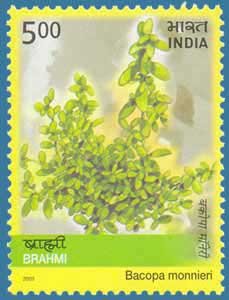
Brahmi
Brahmi is a creeping herb found in moist environments across India. Known for its beneficial effects on the brain, it is commonly used to improve memory and treat mental disorders. It also helps in conditions like rheumatism, constipation and bronchitis, and acts as a diuretic.
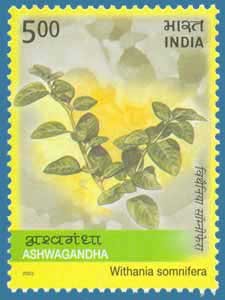
Ashwagandha
Ashwagandha grows in drier regions and is highly regarded as a tonic for the nervous system. It is known for its rejuvenating properties and is used to treat general weakness, stress and rheumatism. It also has anabolic and aphrodisiac qualities.
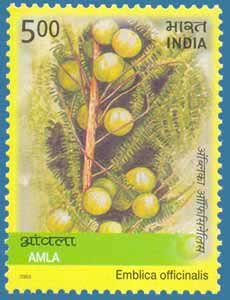
Amla
Amla, a medium-sized deciduous tree found throughout India, produces a fruit rich in medicinal value. It is used as a digestive aid, tonic, and anti-pyretic. Amla is also prescribed for ailments such as jaundice, colic, flatulence and hemorrhages.
Cultural and Scientific Legacy
The extensive use of medicinal plants highlights India’s deep-rooted passion for natural healing and scientific inquiry. These traditions not only contributed to systems like Ayurveda but also influenced modern herbal medicine.
Philatelic Recognition
To celebrate this rich botanical and medicinal heritage, India Post issued a Miniature sheet consisting of four commemorative postage stamps featuring these important medicinal plants, continuing a series that began in 1997.
Conclusion
India’s knowledge of medicinal plants represents a unique blend of tradition, science, and holistic healing. Passed down through generations and supported by structured study, this legacy continues to inspire modern medicine and global interest in natural therapies.
First Day Cover