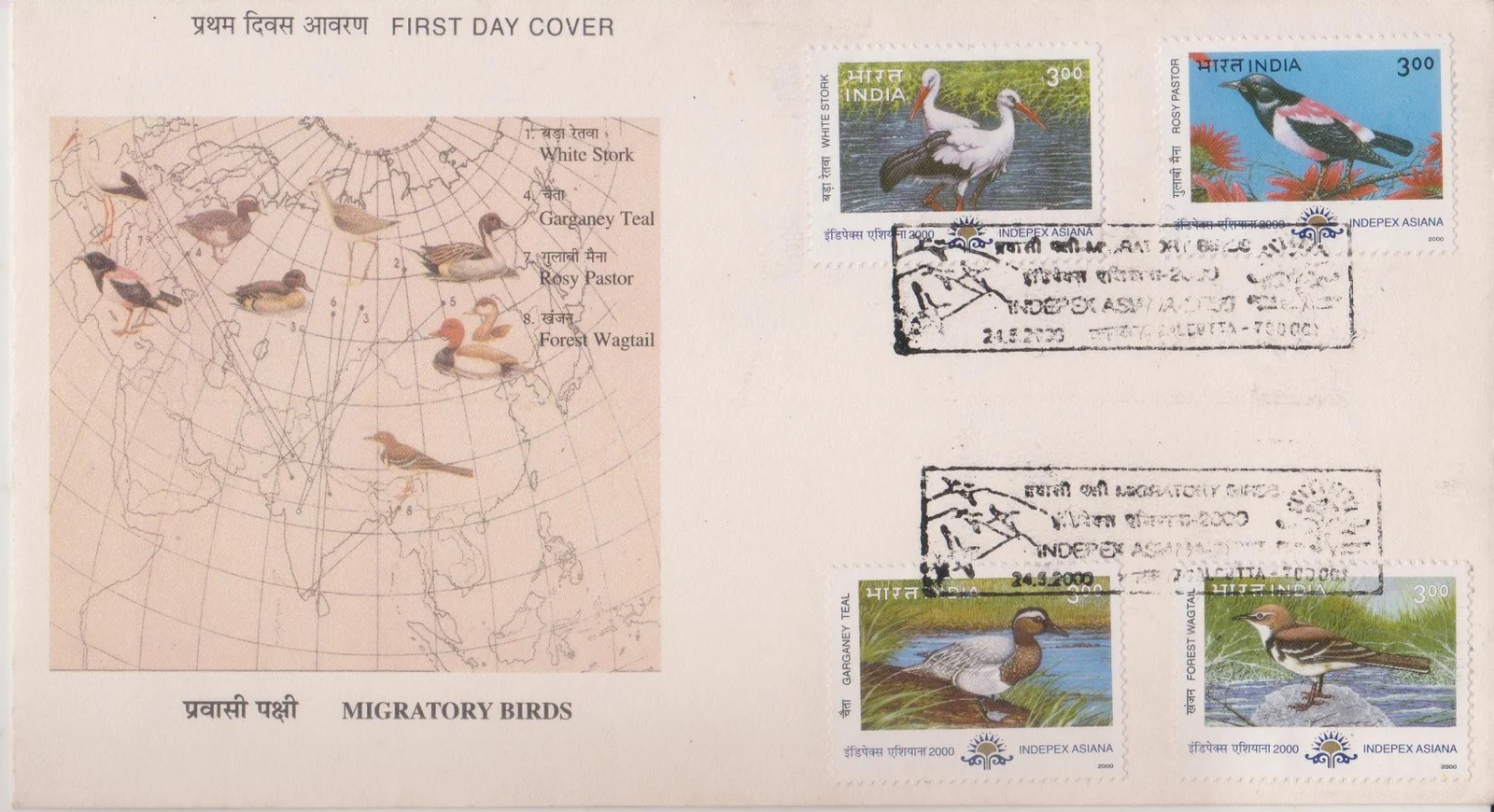
Indipex Asiana 2000- Migratory Birds

Technical Data
| Date of Issue | May 24, 2000 |
|---|---|
| Denomination | Rs. 12 |
| Quantity | 50,000 |
| Perforation | comb13½ x 13 |
| Printer | Calcutta Security Printers Ltd |
| Printing Process | Offset Lithography |
| Watermark | No Watermark |
| Colors | Multicolor |
| Credit (Designed By) | Sh. Ramesh Sukumar |
| Catalog Codes |
Michel IN BL10 Stamp Number IN 1834b Yvert et Tellier IN BF9 Stanley Gibbons IN MS1938 |
Stamps in this Miniature Sheet
Patterns, Species, and Commemorative Stamps
The study of bird migration is one of the most fascinating aspects of ornithology. The scale, precision, and regularity of migratory movements have intrigued humans for centuries. Modern research suggests that day-flying birds navigate using the sun’s position, while nocturnal migrants rely on star constellations. This is supported by observations that birds often lose direction during prolonged cloudy weather.
Migration of Birds to India
India witnesses a large influx of migratory birds during winter, typically between September and November. Regions that remain bird-scarce during other months suddenly become vibrant with avian life.
Migratory birds in India are broadly classified into:
- Winter visitors – stay throughout the season
- Passage migrants – stop briefly during migration
Among the many species visiting India, some prominent ones include the Rosy Starling, Garganey, Forest Wagtail, and White Stork.
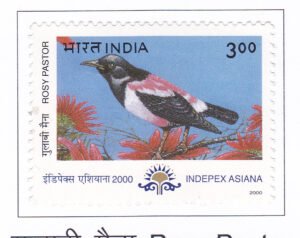
Rosy Pastor (Rosy Starling)
The Rosy Pastor is a striking bird with a rose-pink body and glossy black head and wings. It is a winter visitor to India, arriving as early as July in northwestern regions, with peak migration between August and October.
It is commonly found near agricultural fields, especially those growing jowar and bajra. This species breeds in southeastern Europe and southwestern Asia and returns in March–April.
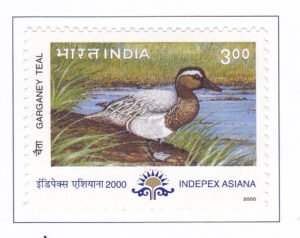
Garganey Teal
The Garganey Teal is one of the most widespread migratory ducks visiting India. Smaller than most ducks, it inhabits a variety of water bodies such as lakes, marshes, village ponds, and coastal lagoons.
It is among the earliest arrivals and one of the last to leave, sometimes staying until May. The species breeds across Europe, Russia, Mongolia, and Japan.
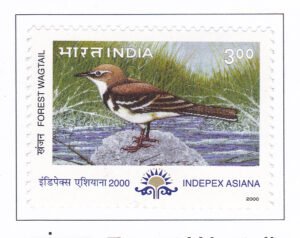
Forest Wagtail
The Forest Wagtail is a small bird, slightly larger than a sparrow, with olive-brown upperparts and darker wings. It is mainly a winter visitor, found in northeastern India, the Western Ghats, Eastern Ghats, and the Andaman Islands.
It typically arrives in September and departs by April. Unlike other wagtails, it prefers wooded habitats and is often seen alone or in small groups. It breeds in regions like China, Korea, and Manchuria.
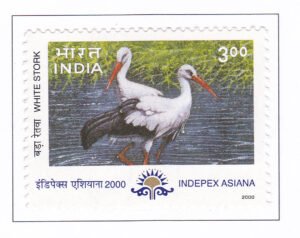
White Stork
The White Stork is a large, long-legged bird known for its graceful movements. It visits India during winter, arriving between September and October and leaving by March or April.
It is mostly seen in northwestern India and parts of the Gangetic plains, feeding on frogs, insects, and small reptiles in marshy fields. The species breeds in Europe, North Africa, and western Asia.
Migratory Birds Stamp Series
To highlight the beauty and significance of these avian visitors, the India Post issued a Miniature sheet consisting of set of four commemorative postage stamps on Migratory Birds. The series features:
- Rosy Pastor
- Garganey Teal
- Forest Wagtail
- White Stork
The First Day Cover (FDC) design illustrates the migration routes of these birds to the Indian subcontinent, emphasizing their long and remarkable journeys.
Conclusion
Migratory birds are an essential part of India’s biodiversity, showcasing nature’s precision and resilience. The commemorative stamp series not only celebrates these species but also raises awareness about their conservation and the importance of protecting their habitats.
First Day Cover