
Philately Day- Two Old Indian Stamps
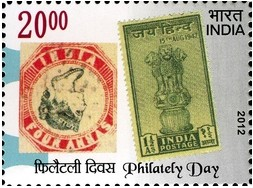
Technical Data
| Date of Issue | October 12, 2012 |
|---|---|
| Denomination | Rs. 20 |
| Quantity | 400,000 |
| Perforation | 13 |
| Printer | India Security Press, Nashik |
| Printing Process | Wet Offset |
| Watermark | No Watermark |
| Colors | Multicolor |
| Credit (Designed By) | Ms. Rashi Sharma Smt. Alka Sharma |
| Catalog Codes |
Michel IN 2669 Stamp Number IN IN032.2012 |
| Themes | Philately | Stamp Day | Stamps |
The Art and Study of Postage Stamps
Philately refers to the collection and study of postage stamps and related postal materials. It is one of the most popular hobbies in the world, enjoyed by millions of collectors across countries and cultures. Beyond recreation, philately serves as a window into history, art, culture, and communication.
Origins of Philately
The journey of philately began with the issuance of the world’s first postage stamp, the Penny Black, by Britain in 1840, featuring a portrait of the young Queen Victoria. Issued without perforations, these early stamps had to be cut from the sheet using scissors. Stamp collecting began almost simultaneously with the introduction of postage stamps, marking the birth of philately as a hobby.
Growth as a Global Hobby
By the 1860s, philately had spread rapidly across Europe, European colonies, the United States, and other parts of the world, with thousands of collectors and stamp dealers actively engaged in the hobby. Today, philately continues to thrive, with an estimated 25 million collectors in the United States alone and approximately 200 million stamp collectors worldwide. Numerous philatelic clubs and societies actively promote the hobby, fostering interest among enthusiasts of all ages.
Philately Beyond a Hobby
Over the years, postage stamps have evolved beyond their basic postal function. They have become powerful instruments for commemoration, celebration, and promotion of national heritage, culture, and significant events. Stamps act as ambassadors of a nation, reflecting its identity, values, and sovereignty, while also serving as a brand image of the postal administration.
Philately in India
India has a rich philatelic tradition that mirrors the evolution of its postal system. From the early ‘Dak Harkara’ system to the modern Air Mail network, Indian postage stamps chronicle the country’s historical, cultural, and technological progress.
Commemorative postage stamp
To commemorate Philately Day and celebrate the enduring appeal of stamp collecting, the Department of Posts is issuing commemorative stamp dedicated to philately.
Enduring Legacy of Philately
Philately continues to inspire curiosity, learning, and appreciation for history and culture. By preserving stories through stamps, the hobby connects generations and remains a timeless pursuit that celebrates communication, creativity, and heritage.
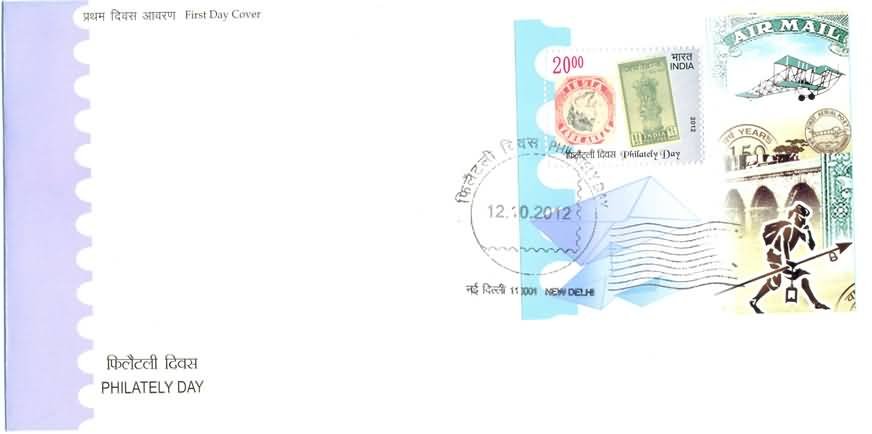
First Day Cover
Leave a Comment
You must be logged in to post a comment.