
Cinnamon
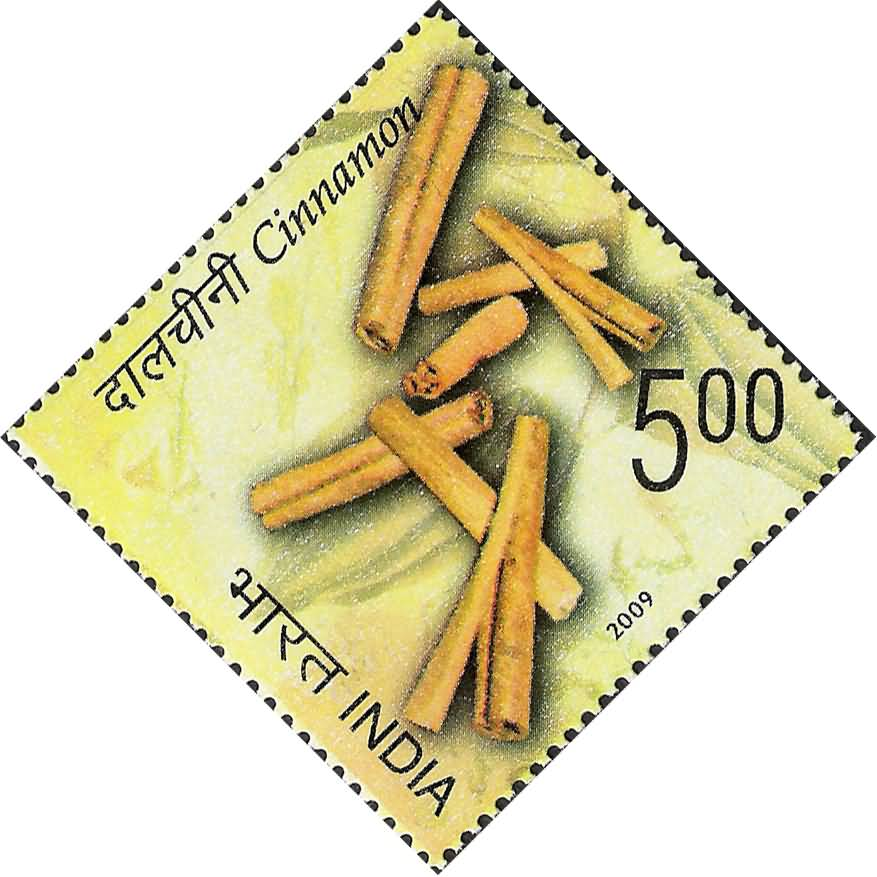
Technical Data
| Date of Issue | April 29, 2009 |
|---|---|
| Denomination | Rs. 5 |
| Quantity | 400,000 |
| Perforation | 13 |
| Printer | India Security Press, Nasik |
| Printing Process | Photo Gravure |
| Watermark | No Watermark |
| Colors | Multicolor |
| Credit (Designed By) | Mr. Suresh Kumar |
| Catalog Codes |
Michel IN 2365 Stamp Number IN 2321b Stanley Gibbons IN 2584 WADP Numbering System - WNS IN021.2009 |
| Themes | Food | Herbs and Spices |
The Fragrant Bark Spice of India
Cinnamon is one of the world’s oldest and most treasured spices, valued for its warm aroma, sweet flavor, and medicinal properties. As part of India’s diverse spice heritage, cinnamon contributes to both domestic culinary traditions and international spice trade.
India’s favorable tropical climate supports the cultivation of high-quality cinnamon, making it an important component of the country’s spice production and export sector.
Botanical Origin and Characteristics
Cinnamon is obtained from the inner bark of trees belonging to the genus Cinnamomum verum and related species. The bark is carefully harvested, dried, and rolled into quills, which are then used whole or ground into powder.
The spice has:
- A warm, sweet, and woody fragrance
- A mildly spicy yet sweet flavor
- A rich brown color
Cinnamon is widely appreciated for its essential oils, particularly cinnamaldehyde, which gives it its distinctive aroma and taste.
Culinary Uses of Cinnamon
Cinnamon is a versatile spice used in both sweet and savory dishes across global cuisines. In India, it is commonly used in:
- Biryani and curry preparations
- Garam masala and spice blends
- Traditional sweets and desserts
- Herbal teas and beverages
Internationally, cinnamon flavors baked goods, chocolates, beverages, breakfast cereals, and confectionery products.
Medicinal and Industrial Applications
Beyond its culinary uses, cinnamon is valued for its therapeutic properties. Traditionally, it has been used in herbal medicine for digestion and overall wellness.
Cinnamon oil and extracts are widely used in:
- Pharmaceuticals
- Food preservation
- Flavoring industries
- Cosmetics and personal care products
Its natural antimicrobial and preservative qualities make it useful in both food and non-food industries.
Economic Importance in the Spice Trade
As part of India’s rich spice cultivation tradition, cinnamon plays an important role in both domestic consumption and export markets. Its unique flavor profile, aromatic oils, and wide range of applications ensure consistent global demand.
India’s long-standing soil traditions and suitable agro-climatic conditions contribute to producing cinnamon that meets international quality standards.
Commemorative Postage Stamp
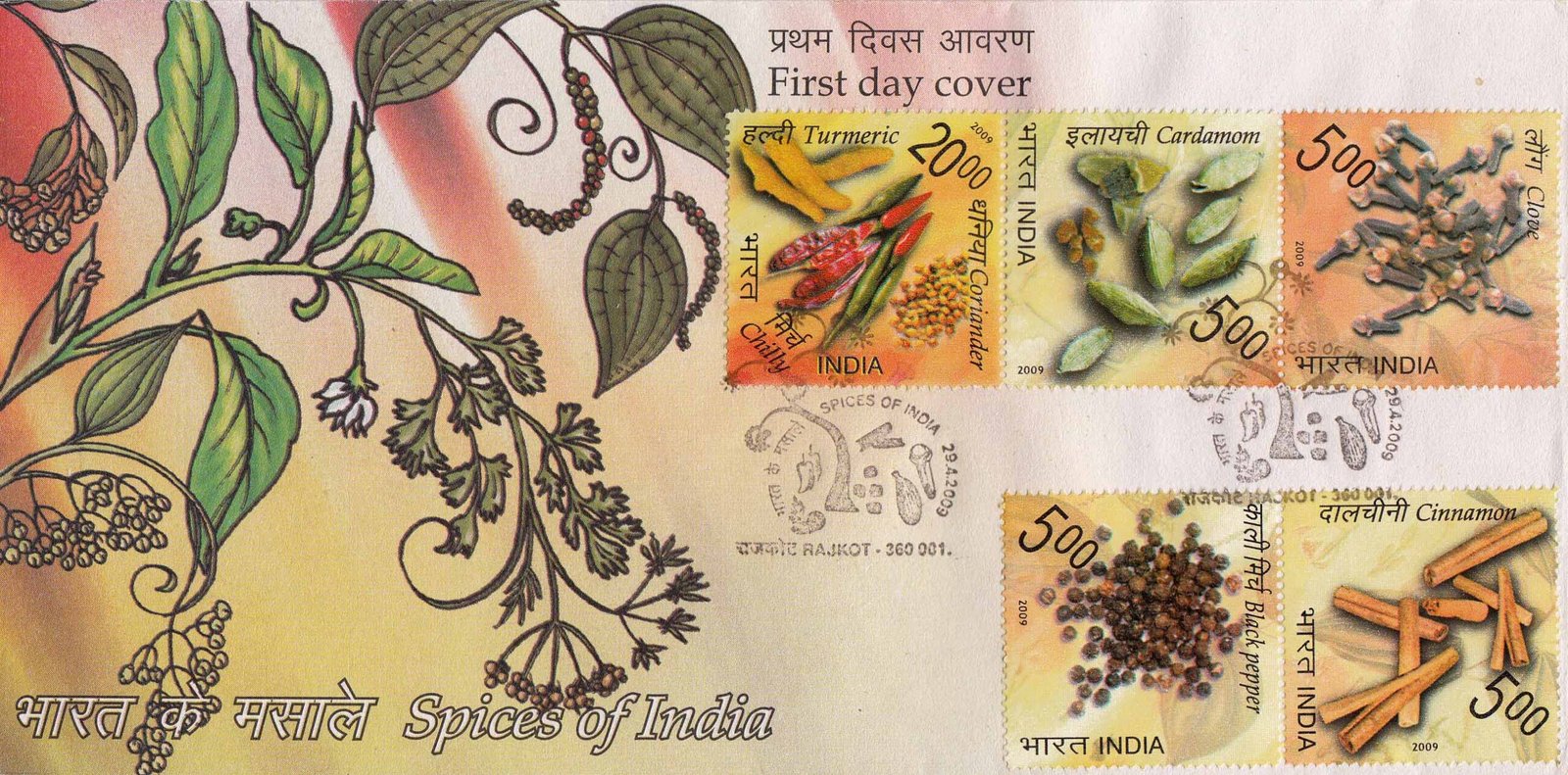
Recognizing the historical and economic importance of Indian spices, including cinnamon, India Post issued a commemorative postage stamp on “Spices of India.”
This commemorative stamp celebrate India’s leadership in the global spice trade and highlight the cultural and economic value of spices such as cinnamon.
Conclusion
Cinnamon remains a symbol of warmth, flavor, and tradition in Indian cuisine and global markets. From ancient trade routes to modern industries, this aromatic bark spice continues to strengthen India’s identity as the Spice Bowl of the World.
First Day Cover
Leave a Comment
You must be logged in to post a comment.