
Turmeric, Coriander, Chilly
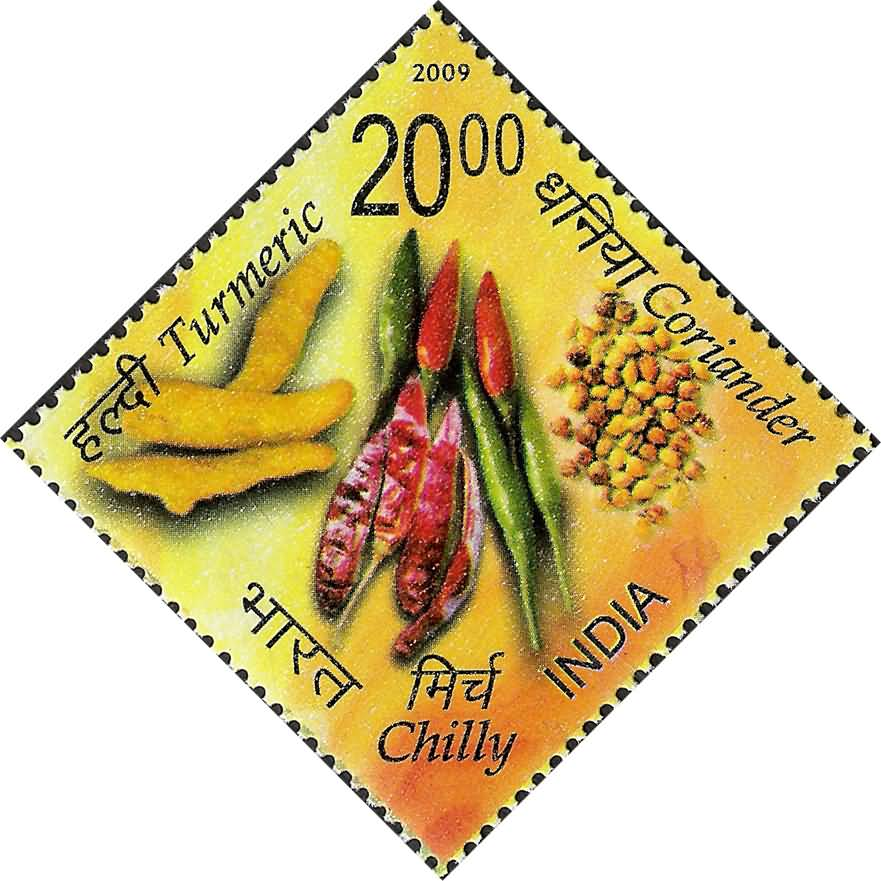
Technical Data
| Date of Issue | April 29, 2009 |
|---|---|
| Denomination | Rs. 20 |
| Quantity | 400,000 |
| Perforation | 13 |
| Printer | India Security Press, Nasik |
| Printing Process | Photo Gravure |
| Watermark | No Watermark |
| Colors | Multicolor |
| Credit (Designed By) | Mr. Suresh Kumar |
| Catalog Codes |
Michel IN 2368 Stamp Number IN 2321e Yvert et Tellier IN 2133 Stanley Gibbons IN 2587 WADP Numbering System - WNS IN022.2009 |
| Themes | Food | Herbs and Spices |
Iconic Spices of India
India, known as the Spice Bowl of the World, produces some of the finest and most diverse spices globally. Among them, turmeric, coriander, and chilly hold a special place in Indian agriculture, cuisine, traditional medicine, and international trade. These spices are not only culinary essentials but also valuable industrial and export commodities.
Turmeric – The Golden Spice of India
Curcuma longa, commonly known as turmeric, is a rhizome belonging to the ginger family. India is the world’s largest producer and exporter of turmeric, making it one of the most significant spices in the country’s agricultural economy.
Turmeric is processed by boiling or steaming the rhizomes, drying them, and grinding them into a fine golden-yellow powder. It is:
- A key ingredient in curry powders
- Widely used in lentil, vegetable, and meat dishes
- A natural food colorant due to its active compound, curcumin
- Valued for its therapeutic and medicinal properties
Often referred to as “Indian Saffron,” turmeric has a mildly aromatic scent with hints of orange and ginger, along with a slightly bitter taste. Its extract is extensively used in food processing, cosmetics, and pharmaceutical industries.
Coriander – The Essential Curry Ingredient
Coriander seeds come from Coriandrum sativum, a member of the parsley family. The seeds are small, round, and range in color from brown to yellowish-red.
India is one of the largest producers of coriander, and it plays a vital role in both domestic consumption and export markets. Coriander is:
- A major component of curry powders
- Used in Indian curries and spice blends
- Added to beverages and sausages
- Utilized in cigarette flavoring and industrial applications
Coriander oil and oleoresins are widely used in food processing and other industries due to their pleasant aroma and mild citrus flavor.
Chilly – The Fiery Spice of India
Chilly, derived from plants in the Capsicum family, is one of the most widely cultivated spices in India. The country grows more than 50 varieties of chillies, each differing in color, size, and pungency.
Commonly known as red pepper or cayenne pepper, Indian chillies are prized for their rich red color and strong heat. They are:
- A major source of natural color and pungency
- Used extensively in spice blends and processed foods
- Exported worldwide in whole, powdered, and oleoresin forms
- Important raw materials for food and non-food industries
Chilly oil and oleoresins are widely used in food processing, pharmaceuticals, and industrial applications.
Global Significance of These Indian Spices
Turmeric, coriander, and chilly represent the diversity and strength of India’s spice sector. Grown across various agro-climatic zones, these spices benefit from favorable soil conditions and centuries-old cultivation practices.
Their distinct aroma, flavor, composition, and industrial applications have positioned India as a leading exporter in the global spice trade.
Commemorative Postage Stamp
To celebrate India’s rich spice heritage and its contribution to global trade, India Post issued a commemorative postage stamp on “Spices of India.”
These stamps honor the agricultural excellence, economic importance, and cultural legacy of Indian spices such as turmeric, coriander, and chilly.
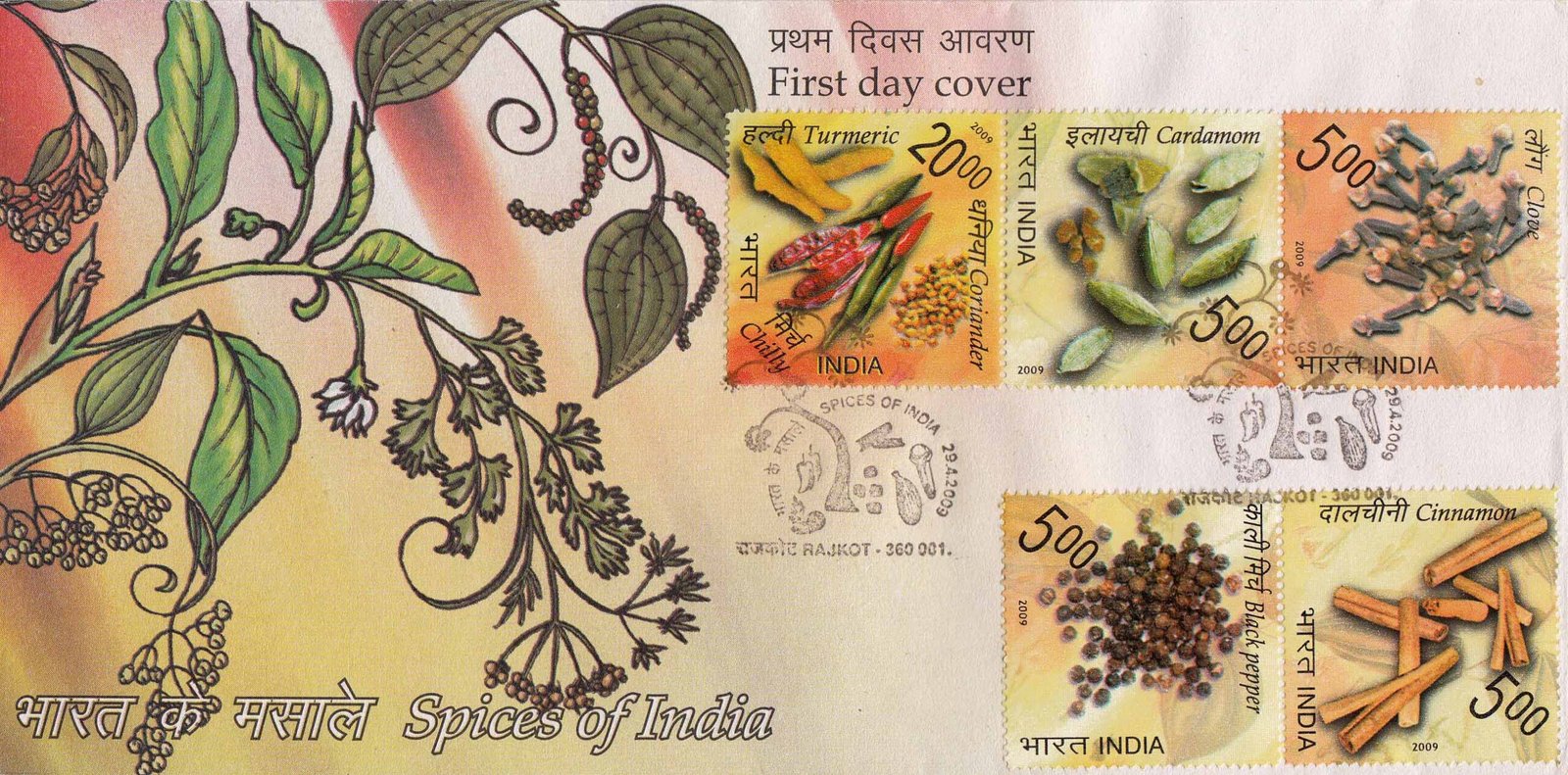
First Day Cover
Leave a Comment
You must be logged in to post a comment.