
Stepwells of India
Technical Data
| Date of Issue | December 29, 2017 |
|---|---|
| Denomination | Rs. 160 |
| Perforation | 13¼ x 13¾ |
| Printer | Security Printing Press, Hyderabad |
| Printing Process | Wet Offset |
| Watermark | No Watermark |
| Colors | Multicolor |
| Credit (Designed By) | Sh. Brahm Prakash |
| Catalog Codes |
Michel IN 3289-3304KB Yvert et Tellier IN BF168 Stanley Gibbons IN MS3429 |
| Themes | Architecture | Historic Sites | Monuments |
Stamps in this Miniature Sheet
Stepwells are among the finest examples of India’s architectural brilliance, transforming simple utilitarian water structures into magnificent architectural masterpieces. Designed to cope with harsh climatic conditions and water scarcity, stepwells served as sources of water, places of worship, and community gathering spaces.
Most stepwells in India are concentrated in the western regions, particularly Gujarat, Rajasthan, parts of North Karnataka, and Delhi. Known by different names across regions, they reflect local traditions and architectural styles—Vav or Vavdi in Gujarat, Baori or Bawdi in Rajasthan, and Pushkarini in Karnataka.
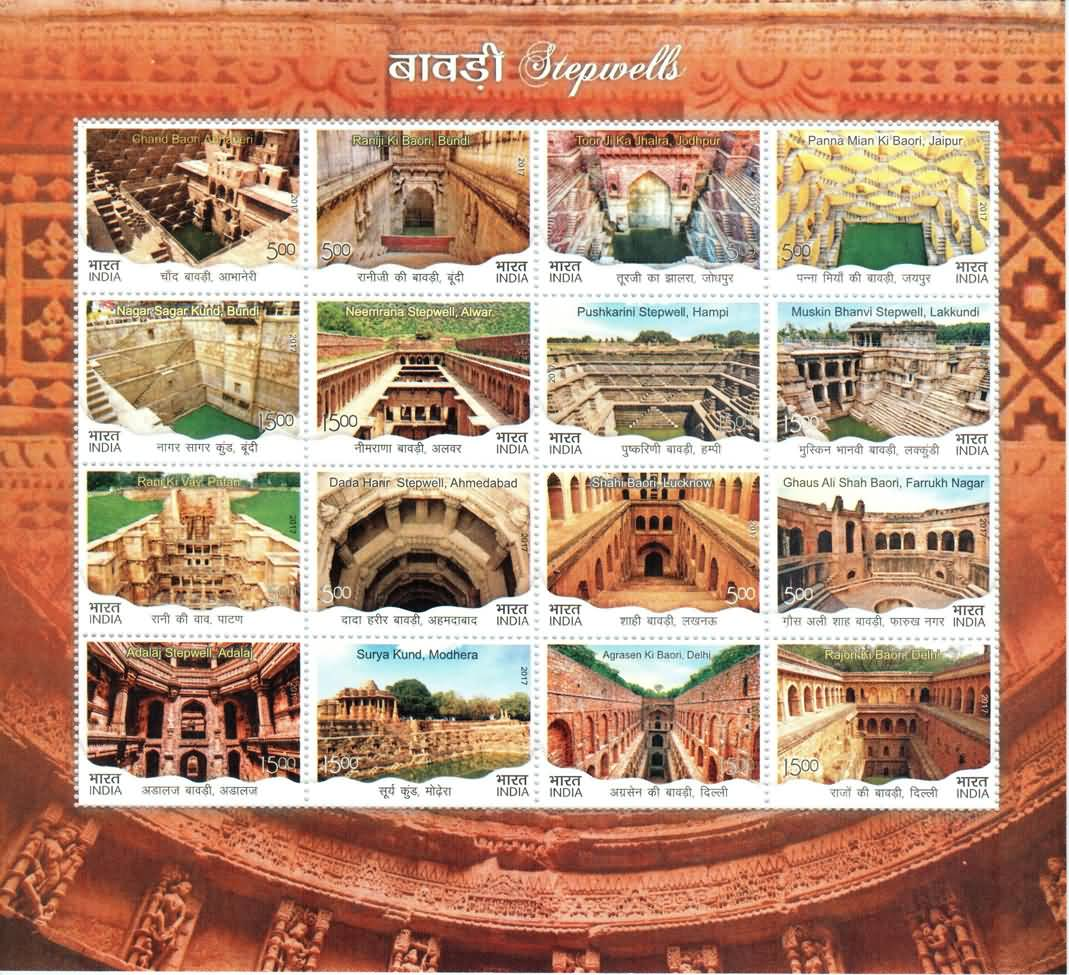
To commemorate this extraordinary heritage, the Department of Posts is issuing a set of 16 Commemorative Postage Stamps along with a Miniature Sheet showcasing iconic stepwells from different parts of the country.
Iconic Stepwells Featured on the Stamps
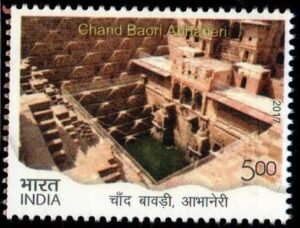
Chand Baori, Abhaneri (Rajasthan)
One of the deepest and largest stepwells in India, Chand Baori dates back to AD 800–900. Located in Abhaneri village, it features 3,500 narrow steps across 13 storeys, surrounded by pavilions and temple remains, making it a stunning example of early engineering.
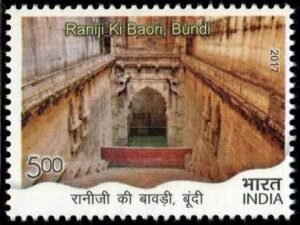
Raniji Ki Baori, Bundi (Rajasthan)
Also known as the Queen’s Stepwell, this 46-metre-deep structure was built in 1699 by Rani Nathavati Ji. Richly adorned with carvings, pillars, elephant statues, and places of worship on each level, it reflects royal patronage and artistry.
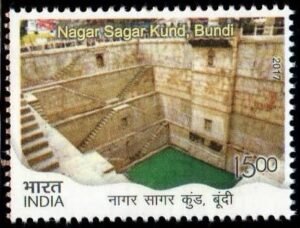
Nagar Sagar Kund, Bundi (Rajasthan)
The twin stepwells of Nagar Sagar Kund were constructed between 1871 and 1875 by Maharani Chandrabhanu Kumari. Originally named Jamna Sagar and Ganga Sagar, these identical masonry stepwells stand near Chogan Gate in Bundi.
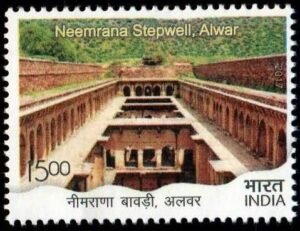
Neemrana Stepwell, Alwar (Rajasthan)
Built in the 18th century, this stepwell is as deep as a nine-storey building. Constructed for famine relief, it highlights the importance of groundwater conservation in Rajasthan’s arid landscape.
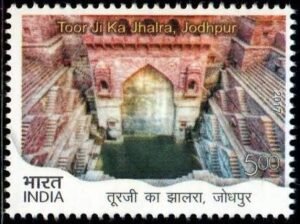
Toor Ji Ka Jhalra, Jodhpur (Rajasthan)
Built in the 1740s by the queen consort of Maharaja Abhay Singh, this stepwell showcases exquisite carvings in red sandstone, including elephants, animals, and water deities. Its restoration revealed over 200 feet of carved architectural treasures.
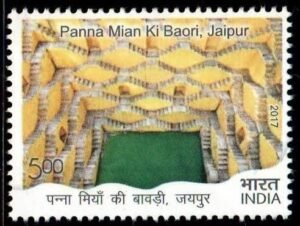
Panna Mina Ki Baori, Jaipur (Rajasthan)
Constructed in the 16th century near Amber Fort, this stepwell is renowned for its symmetrical criss-cross staircases and central platform. It functioned as a community gathering space.
Stepwells of Karnataka
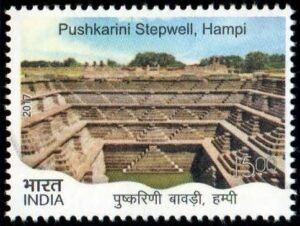
Pushkarini Stepwell, Hampi
Dating to the 15th century Vijayanagara period, this geometrically perfect stepwell has five diminishing stages. Discovered during excavation in 1980, it is devoid of elaborate carvings, emphasizing symmetry and precision.
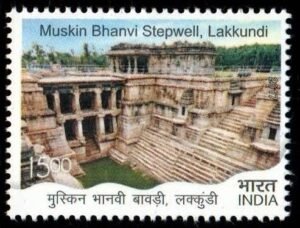
Muskin Bhanvi Stepwell, Lakkundi
Believed to be from the 12th century AD, this deep stepwell is located near the Manikesvara Temple. The term Bhanvi denotes stepwells in this region of Karnataka.
Stepwells of Gujarat
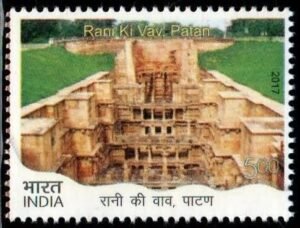
Rani Ki Vav, Patan
Built around 1050 AD by the Queen of Bhimdev I of the Solanki dynasty, Rani Ki Vav is a UNESCO World Heritage Site. Constructed in the Maru-Gurjara style, the 27-metre-deep stepwell is richly decorated with sculptures of Hindu deities.
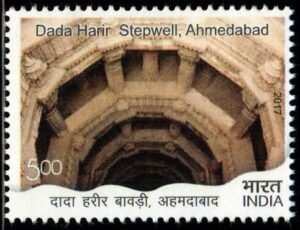
Dada Harir Stepwell, Ahmedabad
Constructed in 1485 by Dada Harir, this octagonal, five-storeyed stepwell exemplifies the Solanki architectural style, with intricately carved galleries and staircases.
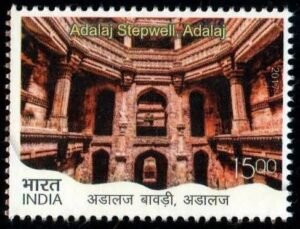
Adalaj Stepwell, Adalaj
Built in the 15th century, this intricately carved stepwell near Ahmedabad is a remarkable example of water architecture commissioned during the Muzaffarid dynasty.
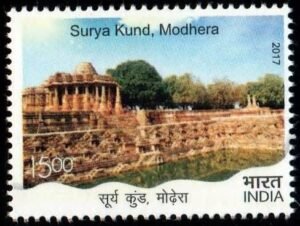
Surya Kund, Modhera
Located near the Sun Temple at Modhera, Surya Kund dates to 1026–27 AD. This large rectangular stepped tank is a masterpiece of geometry and features a beautifully carved Kirti-Torana entrance.
Stepwells of North India
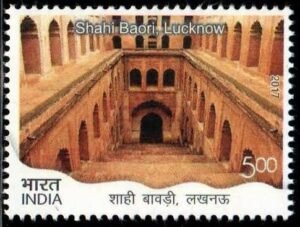
Shahi Baori, Lucknow (Uttar Pradesh)
Built by Nawab Asaf-ud-Daulah alongside the Bara Imambara complex, Shahi Baori surrounds a large water reservoir. Its floors were designed by an expert architect from England.
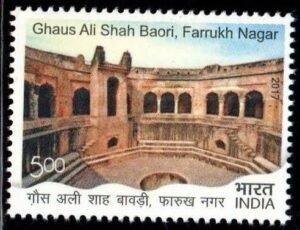
Ghaus Ali Shah Baori, Farrukh Nagar (Haryana)
An octagonal stepwell built in the 18th century, this structure features a central water tank surrounded by arched verandahs, reflecting Mughal-era architectural influence.
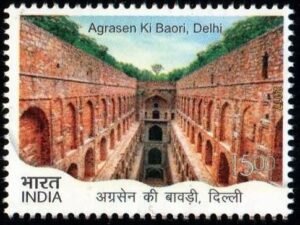
Agrasen Ki Baori, Delhi
A protected monument under ASI, this stepwell spans 60 metres in length and features 103 steps across three levels. It is associated with the legendary King Agrasen and was rebuilt in the 14th century.
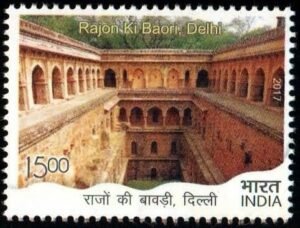
Rajon Ki Baori, Delhi
Located in Mehrauli Archaeological Park, this stepwell was built in 1506 under Sikandar Lodhi’s patronage. It has four diminishing levels and colonnaded arcades on three sides.
Commemorative Postage Stamps and Miniature Sheet
The Department of Posts is pleased to issue a set of 16 Commemorative Postage Stamps along with a Miniature Sheet on Stepwells of India, celebrating these extraordinary structures that embody India’s ingenuity in water management, architectural excellence, and cultural continuity.
Leave a Comment
You must be logged in to post a comment.