
The Tribune
Technical Data
| Date of Issue | November 24, 2006 |
|---|---|
| Denomination | Rs. 5 |
| Quantity | 800,000 |
| Perforation | comb14 x 14¼ |
| Printer | India Security Press, Nasik |
| Printing Process | Photogravure |
| Watermark | No Watermark |
| Colors | Multicolor |
| Credit (Designed By) | Sh. Brahm Prakash |
| Catalog Codes |
Michel IN 2173 Stamp Number IN 2175 Yvert et Tellier IN 1938 Stanley Gibbons IN 2363 WADP Numbering System - WNS IN053.2006 |
| Themes | Anniversaries and Jubilees | Newspapers |
A Pioneer of Nationalist Journalism in India
The Tribune is one of the oldest and most respected newspapers in India, known for its fearless journalism and commitment to representing public opinion. Throughout its long history, the newspaper has played a significant role in awakening political consciousness and advocating social and educational progress in the country.
Foundation and Vision
The newspaper owes its origin to Sardar Dyal Singh Majithia of Majithia village in Amritsar. During his travels across England and Europe, Dyal Singh observed the vital role played by the press in shaping national life. Inspired by this experience, he envisioned a newspaper that could voice the concerns and aspirations of the Indian people.
At that time, the Vernacular Press Act sought to restrict the freedom of the Indian press. Determined to provide a platform for public opinion, Dyal Singh founded The Tribune as a weekly newspaper in Lahore on 2 February 1881, the same year the restrictive law was repealed.
The first issue carried a powerful editorial explaining the newspaper’s purpose: to meet the urgent need for an English-language journal that could present the views and opinions of Indians.
Championing Public Causes
From its earliest days, The Tribune aimed to represent the voice of the people and advocate for the welfare of the masses. The newspaper strongly supported the spread of modern education in Punjab, publishing a series of articles highlighting the importance of English-medium education and progressive learning.
The Tribune maintained a truly nationalistic outlook. It championed public welfare irrespective of class, religion, or community and remained steadfast even when faced with colonial pressure, legal challenges, and restrictions.
Within ten months of its launch, the newspaper demonstrated its courage by challenging biased reporting in the Civil and Military Gazette regarding the Multan riots. This bold stand earned The Tribune widespread appreciation and strengthened its reputation for independent journalism.
Challenges During Partition
A major crisis came during the Partition of India. Initially, the trustees decided to continue publication from Lahore, but the turbulent circumstances forced the newspaper to relocate.
The publication was temporarily shifted to Shimla for the Indian edition, later moved to Ambala, and eventually established its headquarters in Chandigarh, where it continues to flourish.
Growth and Expansion
Over time, The Tribune expanded its reach and influence. In 1978, it launched Hindi and Punjabi editions to cater to a broader readership. Today, The Tribune and its sister publications are also published from New Delhi and Jalandhar, continuing their long-standing tradition of responsible and independent journalism.
Commemorative Stamp
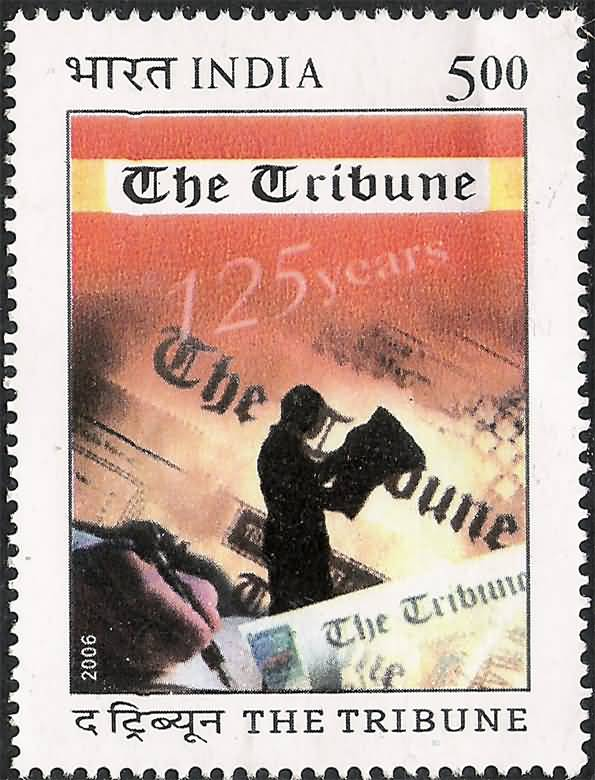
The remarkable 125-year history of The Tribune stands as a shining example of dedication to truth, public service, and journalistic integrity. In recognition of its enduring contribution to Indian journalism, the Department of Posts issued a commemorative postage stamp on The Tribune, honoring its legacy as a powerful voice for the people.
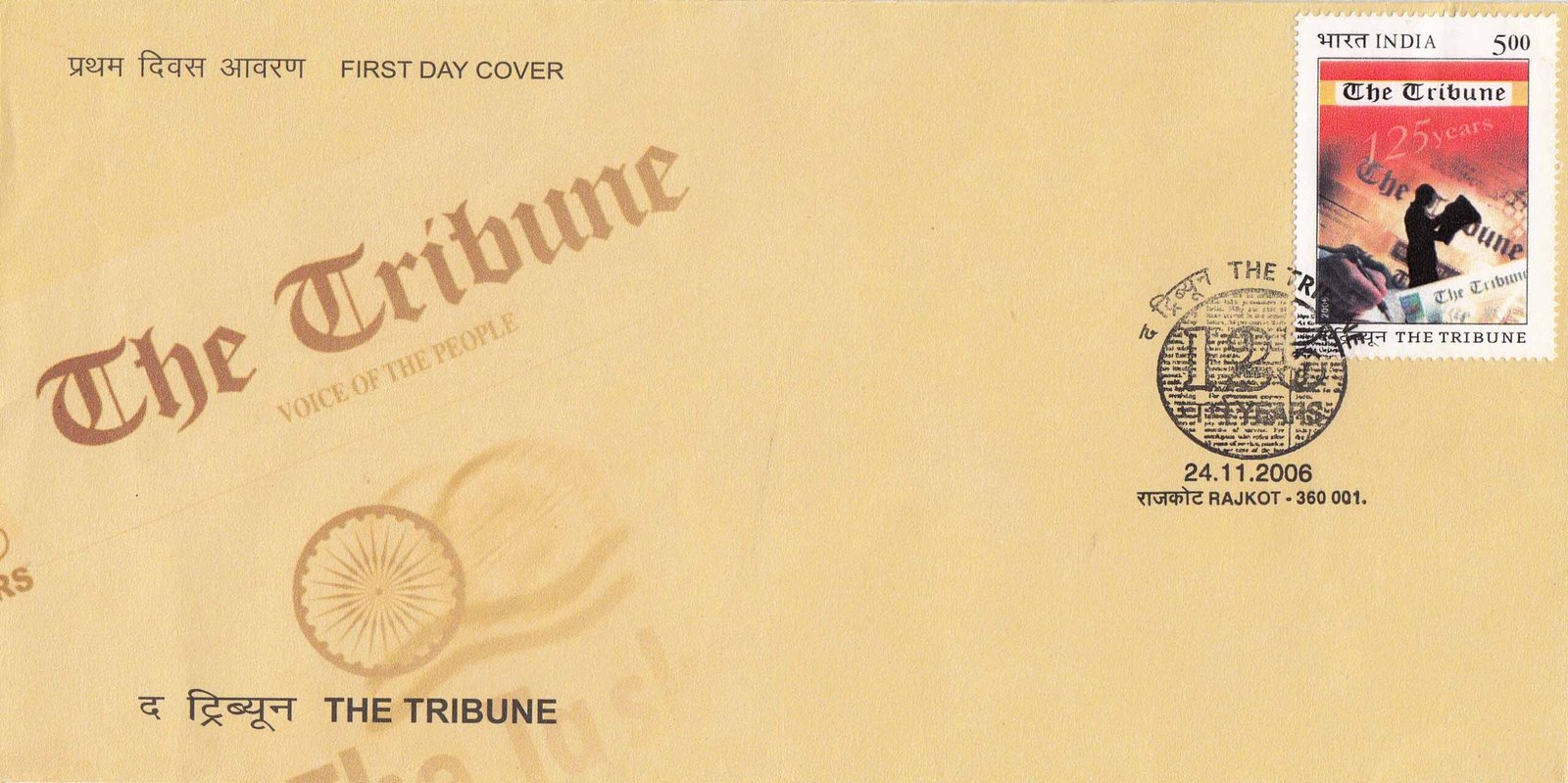
First Day Cover
Leave a Comment
You must be logged in to post a comment.