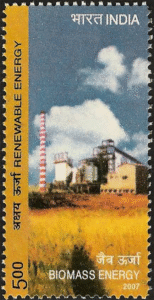
About this stamp
History, Growth, and Future Outlook
Thermal Power in India has been the backbone of the country’s electricity generation for over a century. It began in 1899 with the commissioning of a 1 MW thermal power plant in Kolkata (then Calcutta), owned by the Calcutta Electric Supply Corporation. Since then, thermal power has experienced remarkable growth, reaching a capacity of around 67,000 MW over the next hundred years.
Early Development of Thermal Power in India
The expansion of thermal power accelerated with the launch of the National Five-Year Plans in 1951. Under the Electricity Supply Act, 1948, State Electricity Boards were established to drive power development across the country.
Organizations like the Damodar Valley Corporation and other non-government utilities played a crucial role in building India’s power infrastructure. During the first two decades, the primary goal was to ensure quick power availability to support industrial growth.
A major turning point came when the Government of India decided to utilize low-grade coal for power generation. This led to the adoption of pulverized coal technology, significantly boosting thermal power generation in India.
Growth and Technological Advancements
The 1970s marked a new phase in thermal power in India, with capacity additions supported by international collaborations. Initially, power units ranged between 50 to 80 MW.
Significant developments followed, including:
- Nationalization of the coal industry
- Indigenous manufacturing of power equipment
- Entry of the Central Government into power generation
These changes enabled the installation of larger units of up to 500 MW, transforming the thermal power landscape.
At the same time, improvements were made in:
- Operation and maintenance
- Control and instrumentation
- Overall plant management
These advancements enhanced efficiency and reliability in thermal power plants.
Environmental Regulations and Policy Reforms
As thermal power in India expanded, environmental concerns became increasingly important. Regulatory bodies like the Central Pollution Control Board introduced strict norms to control emissions from thermal power plants.
Another major shift was the liberalization of the power sector, which opened the industry to private and non-government participation. This reform attracted investment and accelerated capacity addition.
Future of Thermal Power in India
Thermal power in India is expected to remain a dominant source of electricity in the coming years. The country is projected to require an additional 10,000 to 12,000 MW of capacity annually over the next two decades, with nearly 75% expected to come from thermal sources.
To meet this demand:
- Investments will be required from both domestic and international sources
- Private sector participation will play a key role
- Sustainable practices and cleaner technologies will become essential
Centenary of Thermal Power in India
The significance of thermal power in India was recognized during its centenary (1899–1999), when the India Post issued a commemorative postage stamp to honor 100 years of thermal energy development in the country.
Conclusion
From a modest 1 MW plant in 1899 to becoming the cornerstone of India’s energy sector, thermal power in India has come a long way. Despite growing interest in renewable energy, thermal power continues to play a critical role in meeting the country’s rising electricity demand while evolving to address environmental challenges.
For More Information
Read more here: