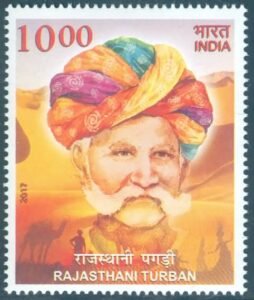


About this stamp
Cultural Significance
In Haryana, the Pagri is more than just a piece of cloth — it is a symbol of pride, respect, and self-esteem. Traditionally, every man in the village wore a turban as a mark of honour. It represented not only his social standing but also his responsibility, courage, and integrity. Losing or disrespecting a turban was considered a grave insult, as it symbolized the dignity of the family and community.
Even today, the Haryanvi Pagri plays a central role in ceremonial and social events — from weddings and harvest festivals to local fairs and cultural gatherings. It is also ceremonially tied on the heads of respected guests, leaders, and elders as a gesture of honour.
Design and Style
The Haryanvi Turban varies in style and colour across the state, reflecting the vibrant diversity of Haryana’s rural life. Typically, it is a long piece of cloth — ranging from 6 to 9 metres — carefully wrapped around the head in a specific manner unique to each region.
- Fabric and Colour: Traditionally made of cotton or muslin, the turban’s colour often signifies the wearer’s age, status, or occasion.
- White or off-white is worn by elders and signifies simplicity and wisdom.
- Bright hues like saffron, red, and yellow are preferred for weddings and celebrations.
- Regional Variations: Styles differ across Haryana — the Jat community of Rohtak and Hisar prefers a broader wrap, while regions like Gurugram and Panipat feature tighter, layered styles known for their crisp appearance.
Tradition and Symbolism
The turban has always been a symbol of manly honour and moral strength in Haryanvi culture. It reflects valor, responsibility, and social unity, resonating with the spirit of Haryana’s agrarian and martial traditions.
In many villages, the Pagri also acts as a token of trust and reconciliation — “Pagri uthana” (lifting the turban) signifies humility and peace in disputes, showcasing the deep moral fabric tied to this tradition.
Preservation and Legacy
Though modern fashion trends have changed daily attire, the Pagri continues to thrive as a cultural emblem. During state functions, folk performances, and rural festivals like Teej, Baisakhi, and Haryana Day, men proudly don the turban, keeping the age-old custom alive.
Cultural initiatives and folk artists play a key role in preserving this heritage, ensuring that the Pagri remains a living link between Haryana’s past and present.
Commemorative Stamp
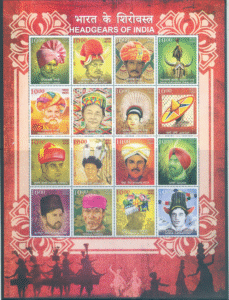
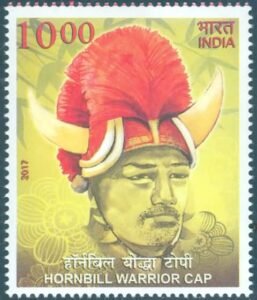
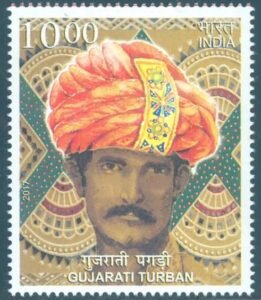
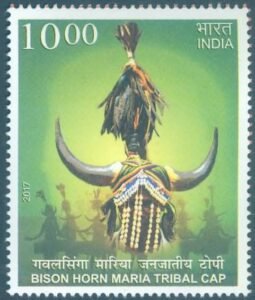
The Department of Posts, through its “Headgears of India” philatelic series, has honoured the Haryanvi Turban by issuing a commemorative stamp that captures its rustic elegance and cultural importance. This initiative pays homage to the resilient spirit, dignity, and traditions that define Haryana’s identity.
A Symbol of Honour and Heritage
The Haryanvi Turban (Pagri) is much more than an item of clothing — it is a crown of pride, embodying the strength, respect, and unity of the people of Haryana. Through generations, it has remained a steadfast symbol of cultural identity, integrity, and self-respect, continuing to adorn the heads and hearts of Haryanvis across the land.