
About this stamp
The Fierce Symbol of Courage and Warrior Heritage
The Naga Hat is a striking and culturally significant headgear that embodies the valor, pride, and warrior traditions of the Naga tribes from Northeast India. Rich in symbolism and craftsmanship, this distinctive headpiece is much more than a mere ornament — it is a badge of honour and bravery, representing the indomitable spirit of the Naga people and their deep connection with nature and tradition.
A Warrior’s Crown
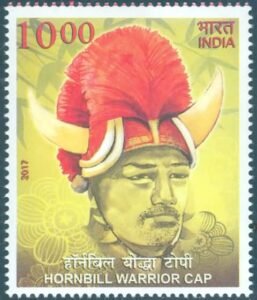
Traditionally worn by Chota Naga warriors, the Naga Hat served as a mark of distinction on the battlefield. Each element of the headgear conveyed the warrior’s achievements and social status. The right to wear the Naga Hat was earned — it could only be adorned by those who had displayed extraordinary courage and success in combat. For the Nagas, it was not just attire but a symbol of identity and valour, linking them to their heroic ancestry.
Unique Design and Symbolism
The Naga Hat is a remarkable example of tribal artistry and natural adornment. It is traditionally crafted from plaited cane work, forming a sturdy helmet-like structure that offers both protection and style. The hat is richly decorated with hornbill tail feathers, tufts of goat or bear hair, and two wild boar tusks, all symbolizing strength, agility, and bravery.
The most striking feature is the chin strap adorned with tiger claws, a rare privilege granted only to a successful head-hunter. Each material used carries deep cultural meaning — the hornbill feathers represent honour and high status, while the boar tusks and tiger claws signify ferocity and victory.
This elaborate headgear stands as a visual representation of the warrior ethos that defines the Naga community — a blend of power, artistry, and reverence for nature.
Cultural and Ceremonial Importance
Beyond warfare, the Naga Hat holds an important place in festivals, dances, and community ceremonies. During events like the Hornbill Festival, these headgears are proudly worn as part of traditional attire, accompanied by rhythmic dances and chants that celebrate Naga heritage. They symbolize unity, pride, and the enduring bond of the community with its ancestral roots.
The craftsmanship of each hat varies across tribes, with every design reflecting unique cultural motifs and regional identity. Despite modernization, the Naga Hat continues to serve as a powerful emblem of tradition and self-expression, connecting the present generation with their storied past.
Commemorative Stamp
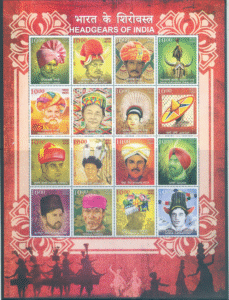
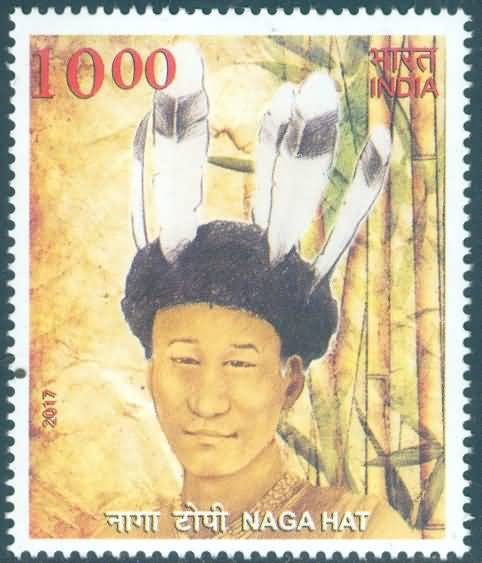
To recognize and celebrate India’s diverse cultural legacy, the Department of Posts issued a commemorative stamp on the Naga Hat as part of its “Headgears of India” series. This stamp honours the extraordinary artistry and historic significance of the Naga Hat, highlighting it as one of India’s most distinctive traditional headpieces.
Legacy of Pride and Power
The Naga Hat stands as a timeless tribute to the warrior spirit, craftsmanship, and cultural pride of the Naga people. It is a living symbol of courage, history, and identity — a testament to the resilience and creativity of a community deeply rooted in its traditions. Through the commemorative stamp, the Naga Hat’s grandeur continues to inspire admiration, representing the strength and diversity of India’s cultural tapestry.