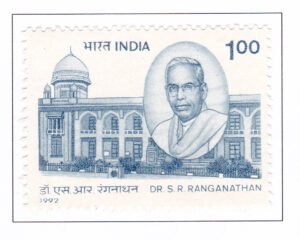

About this stamp
Commemorative Stamp Set: Diamond Jubilee of New Delhi
Design Elements:
The stamp set features iconic landmarks of New Delhi, including Rashtrapati Bhavan, Parliament House, and the Secretariat buildings, reflecting the blend of Roman and Indian architectural styles. It also showcases the city’s modern skyline and bustling urban life.
Cultural and Historical Significance:
New Delhi, the capital since ancient times, was formally established as the imperial capital of British India in 1931. Designed by Sir Edwin L. Lutyens and Herbert Baker, the city’s layout around Raisina Hill embodies a unique fusion of Western and Indian architectural elements. Over the decades, New Delhi has evolved into a vibrant cultural hub, embracing the nation’s diverse traditions.
Usage:
These stamps celebrate 60 years of New Delhi’s existence as a modern metropolis and symbolize its historical and cultural significance as India’s capital. They honor the city’s architectural grandeur, its role in shaping national identity, and its dynamic socio-cultural fabric.
Importance of the Commemorative Stamp Set:
The stamp set underscores New Delhi’s pivotal role in India’s history and its continuing influence as a center of governance, culture, and social innovation. It serves to educate and inspire pride in the city’s rich heritage and its enduring legacy as a symbol of national unity.
Example of the Stamp Design:
The stamps depict:
- Rashtrapati Bhavan and Parliament House, emblematic of New Delhi’s architectural splendor.
- Scenes of bustling city life and cultural diversity, reflecting its vibrant character.
- Artistic representations of historical events or landmarks that define New Delhi’s identity.
Significance:
New Delhi’s Diamond Jubilee commemorative stamps honor the city’s journey from imperial capital to a modern metropolis, highlighting its architectural brilliance, cultural vibrancy, and enduring importance as India’s heartland of governance and culture.