About this stamp
Evolution of Fashion in India – A Journey Through Time
Introduction
Fashion is a universal language — an ever-evolving form of self-expression that transcends borders, cultures, and time. It reflects identity, creativity, and societal values. In India, fashion is deeply rooted in its rich history, shaped by cultural diversity, climatic variations, and centuries of foreign influences. From ancient, draped garments to intricately woven royal attire, Indian fashion has evolved into a vibrant amalgamation of tradition and innovation.
Ancient Origins – Indus Valley Civilization
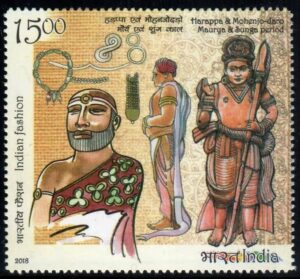
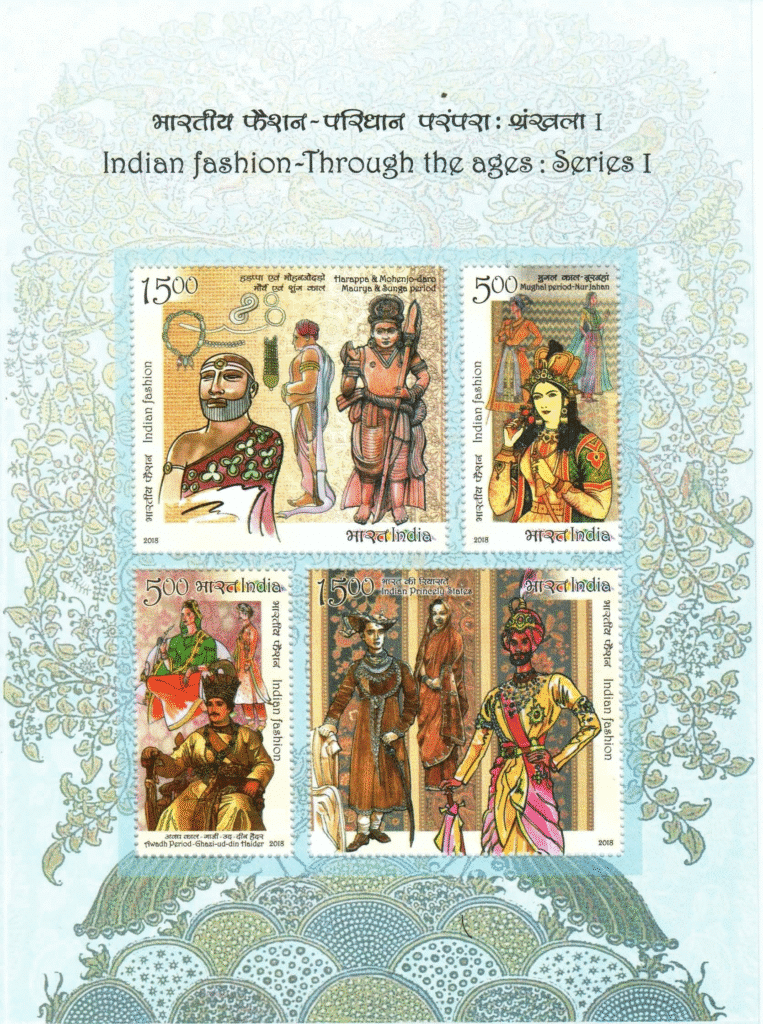
The story of Indian fashion dates back to the Indus Valley Civilization (around 2500 BCE), one of the world’s earliest urban cultures. Archaeological findings such as terracotta figurines and sculptures depict men and women wearing woven garments, elaborate headgear, and jewelry. The “Mother Goddess” statue shows a figure adorned in a tight-fitted tunic, skirt, and ornaments, while the “Priest-King” wears a long robe draped over one shoulder — a precursor to India’s timeless draped styles.
India was also among the first regions to cultivate and weave cotton, a fabric that became the foundation of its textile heritage. The choice of garments during this time reflected social hierarchy, with the wealthy wearing fine muslin and silk, while commoners used coarse, locally made fabrics.
Mauryan Period – The Age of Draped Elegance
During the Mauryan period (4th–2nd century BCE), Indian fashion emphasized simplicity and fluidity. The common attire consisted of:
- Antarīya – a lower garment worn like a lehenga or dhoti.
- Patka – an embellished waistcloth used as a sash.
- Uttarīya – a long scarf or veil draped over the upper body.
These garments were made of dyed and printed textiles, often created using resist-dyeing and hand-printing techniques. Foreign visitors like Megasthenes documented India’s vibrant textile art, praising its glazed cotton and natural dyes. This era reflected a balance between practicality and elegance, highlighting India’s mastery over fabric and form.
Mughal Era – The Royal Renaissance of Fashion
The arrival of the Mughals in the 16th century revolutionized Indian fashion, blending Persian grandeur with Indian craftsmanship. Men wore:
- Jama – a long robe tied at the waist.
- Patka – a jeweled girdle for the sword.
- Choga – an embroidered, long-sleeved overcoat.
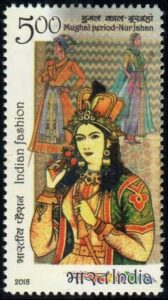
Mughal women, on the other hand, adorned themselves with luxurious fabrics like silk and brocade. Their wardrobe featured Peshwaj, Yalek, Pajama, Churidar, Garara, and Farshi, often paired with head ornaments, necklaces, and anklets.
One of the most iconic fashion figures of the time was Empress Nur Jahan, who redefined royal fashion with her elegant jackets and intricate embroidery, setting trends that resonated across the empire. Mughal fashion symbolized opulence, refinement, and an unmatched sense of aesthetic grace.
Awadhi Splendor – The Elegance of Lucknow
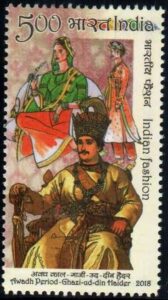
The Awadhi region, especially Lucknow, emerged as a fashion hub during the 18th and 19th centuries. Under the Nawabs of Awadh, the city flourished as a center of luxury and fine living. The Awadhi style of dressing was known for its rich fabrics, delicate embroidery (like Chikankari), and graceful silhouettes.
The aristocrats of Lucknow took immense pride in their attire — every fold, color, and embellishment was a reflection of refinement and sophistication. The Nawabi influence continues to inspire modern Indian fashion with its timeless elegance.
Princely States and the Fusion of Styles
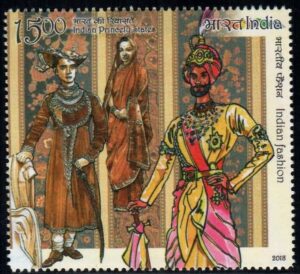
Across India’s princely states, local traditions merged with external influences to create distinctive regional fashions. For example, Rajput royalty preferred regal ensembles like the angarkhi, churidar pyjama, pagdi (turban), and cummerbund.
This era also marked the beginning of cross-cultural fashion fusion, as European tailoring techniques and Western silhouettes began to influence Indian attire. Royal portraits from the 19th century beautifully capture this transition — where Indian nobility combined traditional grace with colonial elegance.
Miniature Sheet on Indian Fashion – Through the Ages
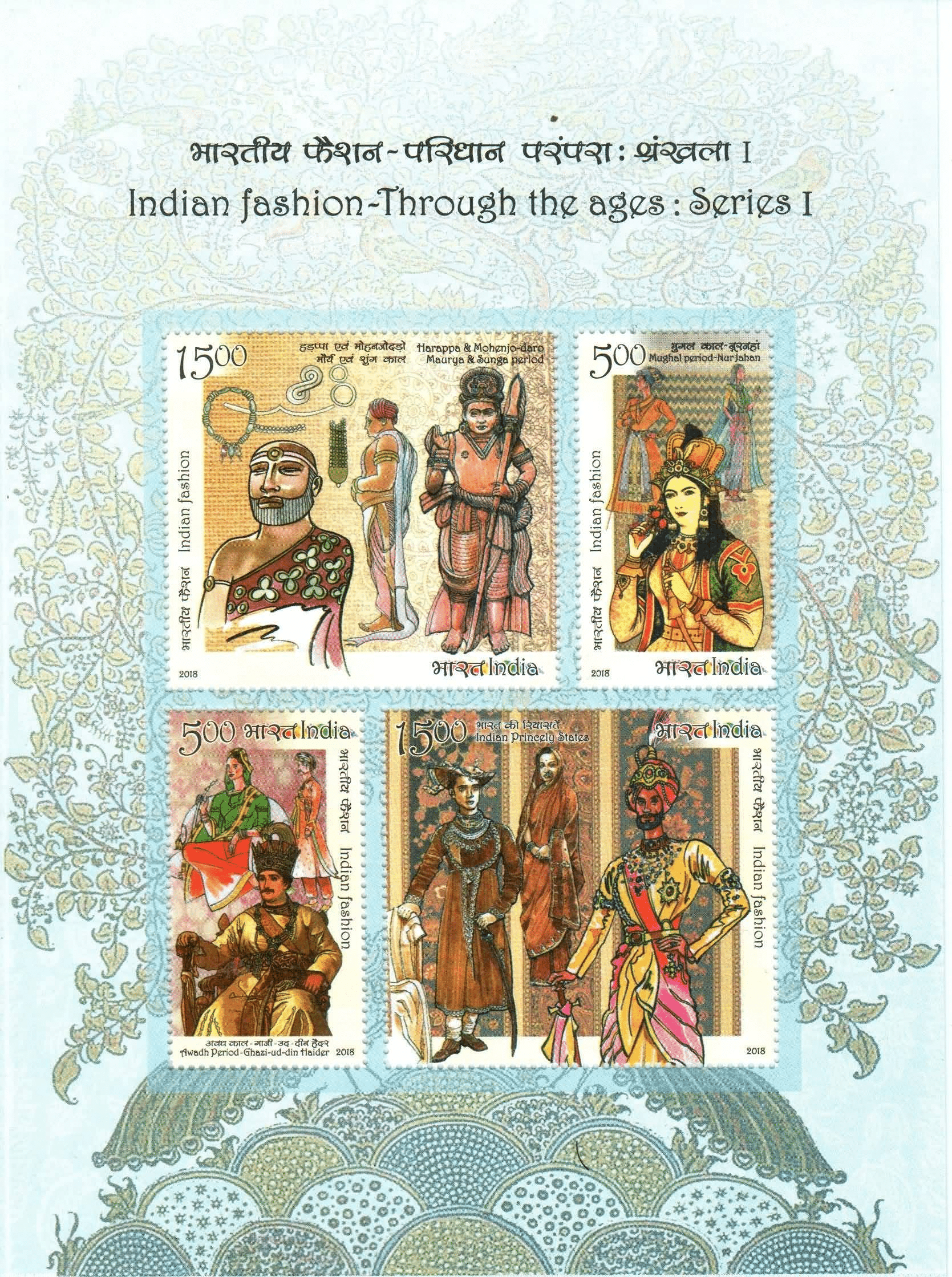
To celebrate India’s rich and evolving sartorial heritage, the Department of Posts is pleased to issue a Miniature Sheet (Series–I) on the theme “Indian Fashion – Through the Ages.” The miniature sheet captures the diversity, craftsmanship, and historical evolution of Indian clothing—from ancient civilizations to princely states—highlighting the cultural depth and timeless elegance of Indian fashion across millennia.
For More Information
Read more here: