About this stamp
Role in the Revolt of 1857
The Indian Rebellion of 1857 was a major milestone in India’s struggle for independence. Raja Nahar Singh, ruler of the small state of Ballabhgarh, played an important role in this historic uprising.
Symbol of Unity and Leadership
Raja Nahar Singh stood as a symbol of Hindu-Muslim unity and political foresight. He worked to unite native rulers under one banner, including:
- Begum Samru
- Nawab of Jhajjar
- Farukhnagar rulers
- Rewari chiefs
He also organized a secret meeting at Mukteshwar Fort during the Kartik fair. This gathering was attended by notable leaders such as:
- Tatya Tope
- Mangal Pandey
- Raja Krishan Gopal
- Raja of Gwalior
The aim was to strengthen the movement for independence.
Administrator of Delhi
Bahadur Shah II appointed Raja Nahar Singh as the Internal Administrator of Delhi. He carried out this responsibility with loyalty and dedication while continuing to mobilize support among local rulers.
Arrest and Trial
In November 1857, British forces launched campaigns to suppress resistance around Delhi. Brigadier Showers was sent to crush uprisings in Ballabhgarh, Gurgaon, Jhajjar, and Rewari.
Raja Nahar Singh was arrested on 6 December 1857 and imprisoned first in Motia Mahal and later in Metcalfe House.
A Military Commission under Brigadier General Chamberlain began his trial on 19 December 1857 in Delhi.
Martyrdom
To destroy the power of princely states opposing British rule, Raja Nahar Singh, along with the Nawabs of Jhajjar, Dadri, and Farukhnagar, was sentenced to death. He was hanged on 9 January 1858 for his role in the revolt of 1857.
Legacy and Commemoration
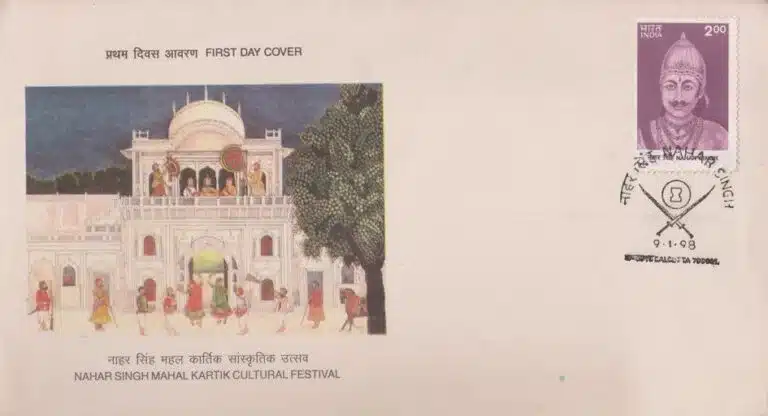
The First Day Cover featured the Nahar Singh Palace, where the Kartik Cultural Festival is celebrated.
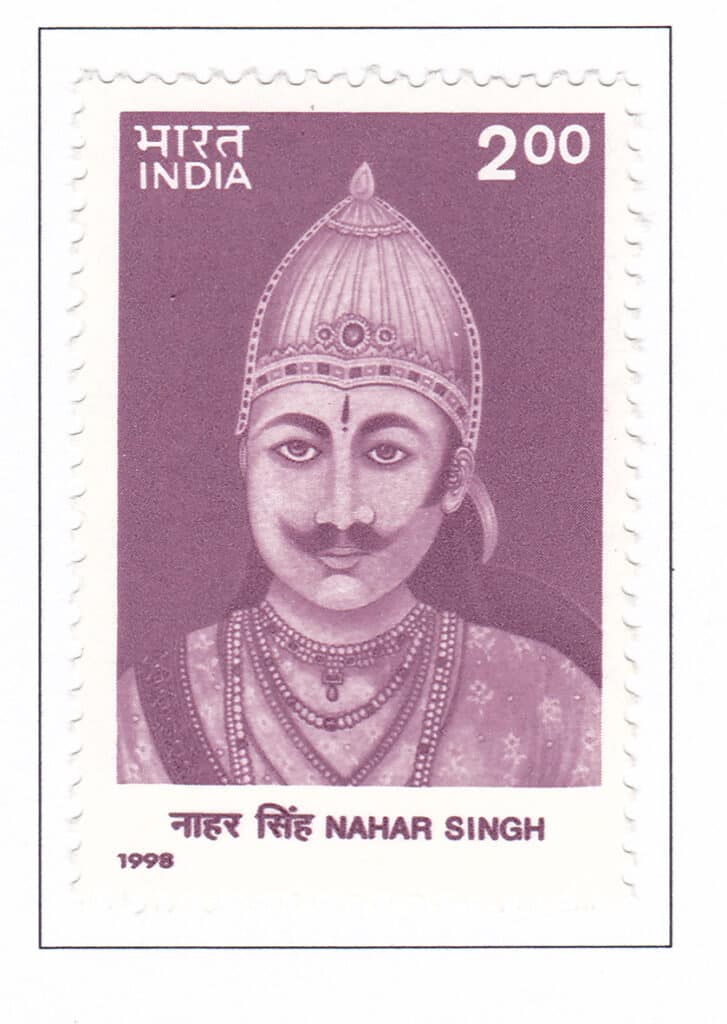
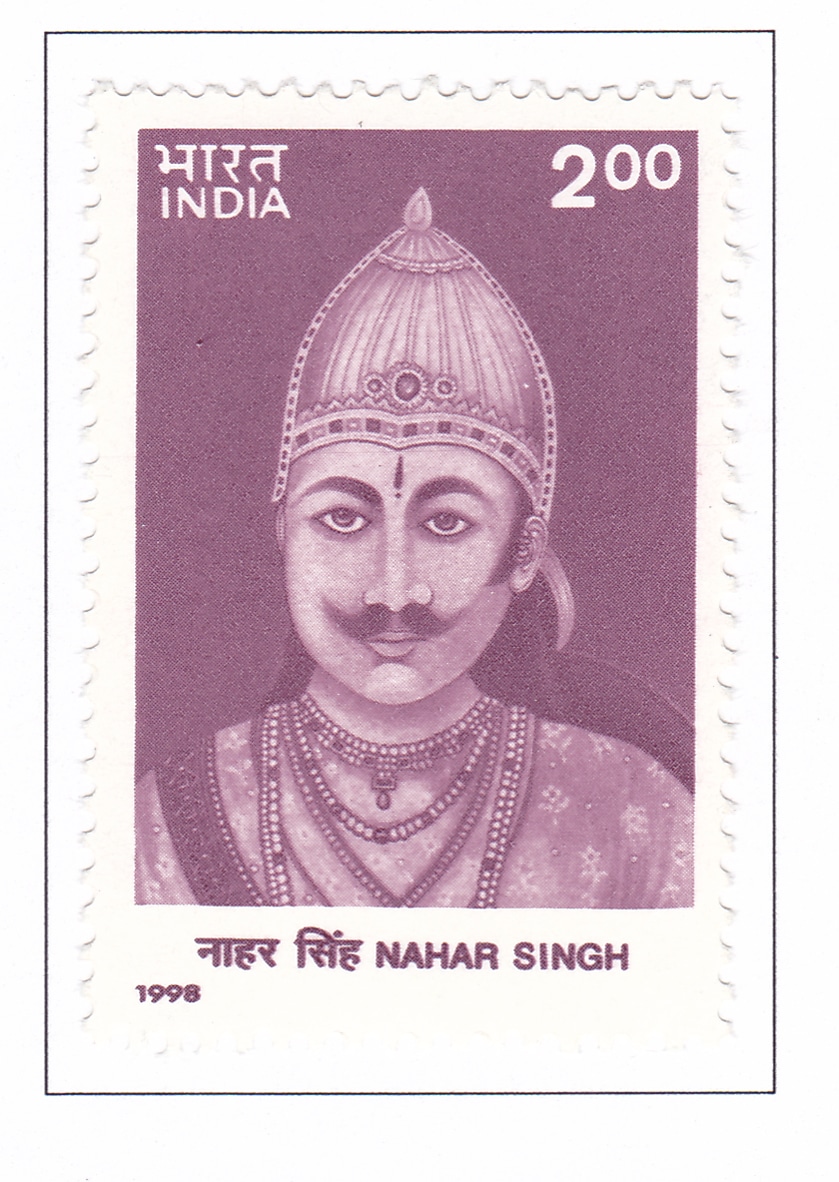
The Department of Posts issued a special commemorative postage stamp in memory of the brave patriot Raja Nahar Singh.
For More Information
Read more here: