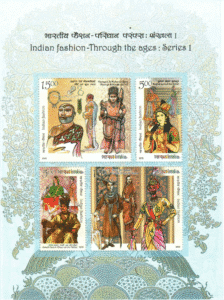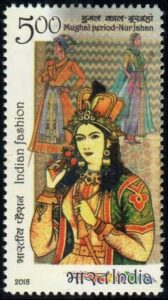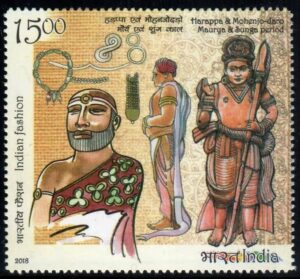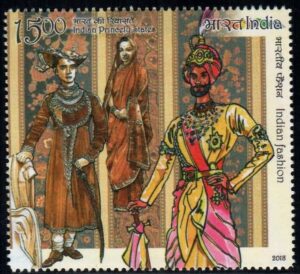
About this stamp
Indian Awadh Period: The Elegance of Refined Fashion
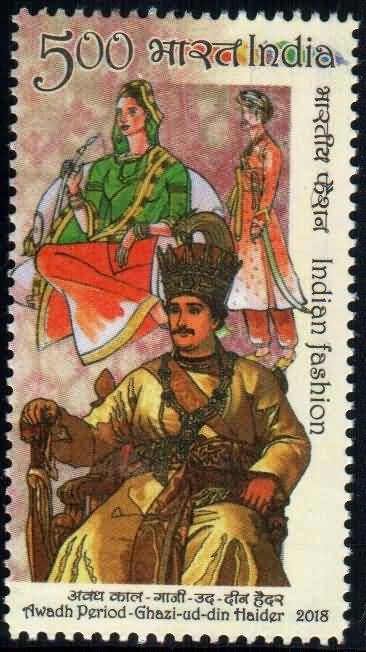
Fashion has always been a universal form of expression, transcending language and culture. In India, one of the most refined and influential phases of fashion evolution emerged during the Awadh Period, a time that beautifully reflected the region’s sophistication, artistic excellence, and cultural opulence. To honour this rich sartorial heritage, the Department of Posts has issued a commemorative postage stamp, celebrating the timeless elegance and craftsmanship of Awadhi fashion.
Awadh – The Heart of Cultural and Fashion Evolution
Awadh, located in the modern state of Uttar Pradesh, around Ayodhya and Lucknow, has historically been one of India’s most important regions — politically, religiously, and socially. From the 18th to the 19th century, it rose as a prominent centre of art, music, and couture under the patronage of the Nawabs of Awadh, whose refined tastes and luxurious lifestyles set new standards in fashion.
Influence of the Nawabs on Fashion
The Nawabs of Awadh were great patrons of culture and beauty. Their courts became hubs of fashion innovation, blending Persian, Mughal, and regional Indian styles into a unique and elegant aesthetic. The aristocracy of Lucknow took immense pride in dressing gracefully, spending lavishly on exquisite fabrics, ornate embroidery, and refined accessories.
The Nawabi attire was not just about clothing but about nazakat (grace) and nafasat (refinement). The style became synonymous with elegance, composure, and understated luxury — a true reflection of Awadh’s sophisticated lifestyle.
Distinctive Features of Awadhi Fashion
Awadhi fashion placed emphasis not only on the garments themselves but also on how they were worn. The fabrics used were often silk, muslin, and fine cotton, richly adorned with zardozi, chikankari, and gota-patti embroidery. Men’s fashion typically included angarkhas, churidars, and pagdis (turbans), while women’s attire featured ghagras, odhnis, and anarkalis that flowed elegantly, reflecting regality and charm.
Jewellery and accessories were equally significant — from nose rings and anklets to head ornaments and necklaces, every detail symbolized status and taste. Even footwear, like the intricate Lucknawi mojris, reflected the era’s artistic precision.
Awadh’s Influence on Indian Fashion
The Awadhi style of dressing continues to inspire Indian couture today. The intricate embroidery techniques of Lucknow, especially chikankari, have gained global recognition and remain a symbol of India’s handcraft heritage. Designers continue to reinterpret Nawabi silhouettes, ensuring that the regal aura of Awadh lives on in contemporary fashion.
Commemorating the Grace of Awadh
Through the issue of a commemorative postage stamp, the Department of Posts pays tribute to the fashion legacy of Awadh, celebrating its enduring contribution to India’s cultural and aesthetic identity. The stamp encapsulates the grace, grandeur, and artistic finesse that defined Awadh’s golden era — a period where fashion was not just attire, but an art form representing refinement, dignity, and timeless beauty.