

About this stamp
The Symbol of Assamese Tradition and Respect
The Japi Cap is one of the most recognizable symbols of Assamese culture and identity. With its distinctive conical shape and vibrant decorative patterns, the Japi stands as a proud representation of the craftsmanship, tradition, and hospitality of Assam. It is both a functional headgear and a ceremonial ornament, embodying centuries of artistic heritage and cultural pride.
Historical Significance and Origin
The origins of the Japi Cap date back to ancient times when it was used by farmers and peasants as protection against the sun and rain. The word “Japi” is derived from “Japs,” meaning the leaves of the Tokou palm tree, which are woven together to make this headgear. Over time, the Japi evolved from a simple utilitarian item into a symbol of honour and social status, especially among the Assamese nobility and royalty.
Ancient texts and temple carvings in Assam also depict figures wearing Japis, showing that this headgear has long been a part of the region’s cultural and social fabric.
Distinctive Design and Craftsmanship
The Japi Cap is traditionally conical in shape, made from closely knit bamboo or cane and covered with Tokou palm leaves. Its outer surface is often beautifully painted or embroidered, featuring motifs of flowers, birds, and geometric designs that reflect Assam’s rich artistic heritage.
While the plain Japi was used by ordinary villagers for daily protection from the sun, the decorative Japi was adorned with bright fabrics, coloured threads, and mirrors, symbolizing prosperity and joy. Each Japi is a testament to the skill of Assamese artisans, who combine natural materials with creativity to produce a work of art that is both practical and symbolic.
Cultural and Ceremonial Importance
Beyond its practical use, the Japi Cap holds deep cultural significance in Assamese society. It is often presented as a mark of honour and respect to guests and dignitaries during cultural events and public ceremonies — a gesture deeply rooted in the Assamese tradition of “Atithi Devo Bhava” (Guest is God).
The Japi is also worn during traditional Bihu festivals, dance performances, and local fairs, where it symbolizes fertility, prosperity, and community spirit. Many Assamese homes proudly display the Japi as a decorative piece, representing both pride and hospitality.
Commemorative Stamp
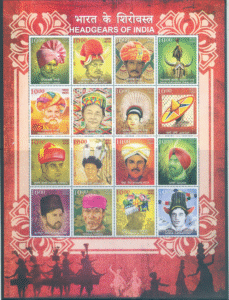
To celebrate India’s diverse cultural identity, the Department of Posts issued a commemorative stamp on the Japi Cap as part of its “Headgears of India” series. This initiative honours the Japi’s enduring cultural relevance and pays tribute to the craftsmanship and traditions of Assam.
A Living Heritage of Assam
Today, the Japi Cap remains a powerful emblem of Assamese culture, bridging the past and the present. It continues to be used in folk art, tourism, and state celebrations, symbolizing dignity, craftsmanship, and Assamese pride. With its graceful design and timeless legacy, the Japi Cap stands as a shining example of India’s rich cultural diversity and traditional artistry.