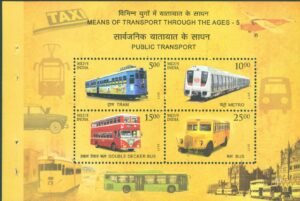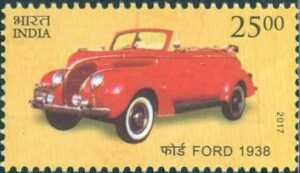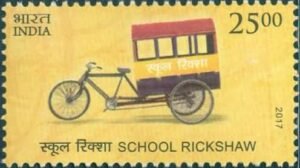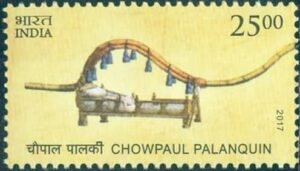
About this stamp
Introduction
Palanquins, commonly known as Palkis, were among the earliest and most elegant modes of personal transport used in India. Before the advent of wheels and modern vehicles, palanquins served as a graceful, dignified, and comfortable means of travel for royalty, nobles, spiritual leaders, and brides. They hold a prestigious place in India’s cultural and social history.
Historical Importance
The Palanquin enjoyed immense prominence in ancient and medieval India. More than just a vehicle, it symbolised honour, luxury, and high social status. Kings, queens, nobles, and scholars travelled in palanquins, accompanied by attendants and guards, signifying prestige and royal protocol.
Even as modern transportation evolved, palanquins continued to play a role in ceremonial and religious contexts and remain a cultural icon of India’s heritage.
Structure and Design
A Palanquin is a hand-carried carriage without wheels, designed for one seated passenger and carried by bearers using long wooden poles.
Distinctive Features:
- Made mainly of wood with carved frames
- Decorated with colourful cloth, curtains, and embellishments
- Provided privacy and comfort for the occupant
- Carried by two, four, or sometimes eight bearers depending on size
- Upholstered seating inside for convenience and dignity
Regional variations influenced the shape, ornamentation, and style of each palanquin.
Role in Society
Palanquins were deeply integrated into social and cultural life:
- Royalty and Aristocracy: Used as an exclusive mode of travel for rulers and noble families
- Religious Use: Carried priests, sacred idols, scriptures, and used in temple rituals
- Wedding Traditions: Brides traditionally travelled to their new homes in a Palki, symbolising grace and honour
- Festive and Ceremonial Events: Still seen during religious processions and cultural festivals, signifying devotion and respect
Even today, the Palanquin is considered a symbol of reverence and tradition.
Regional Types of Palanquins
Over time, different regions developed their own unique forms of palanquins, such as:
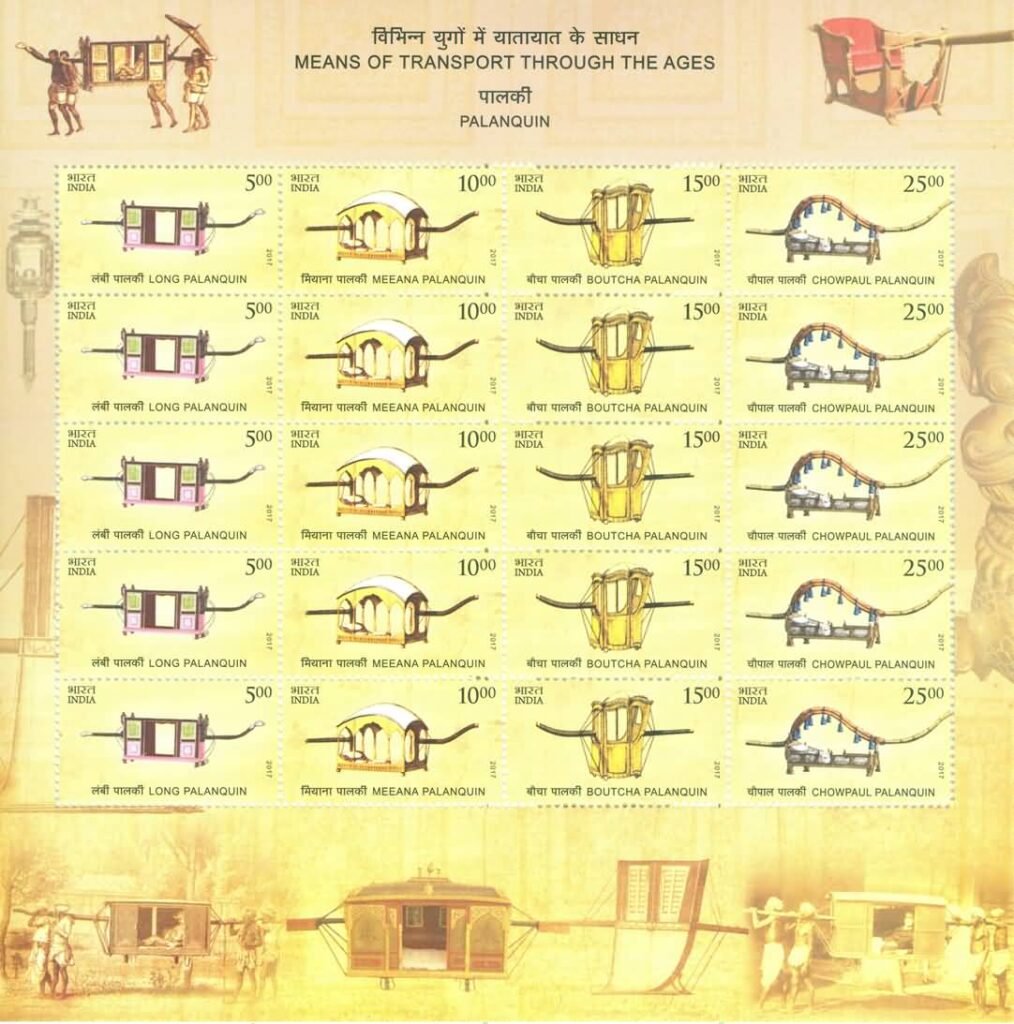
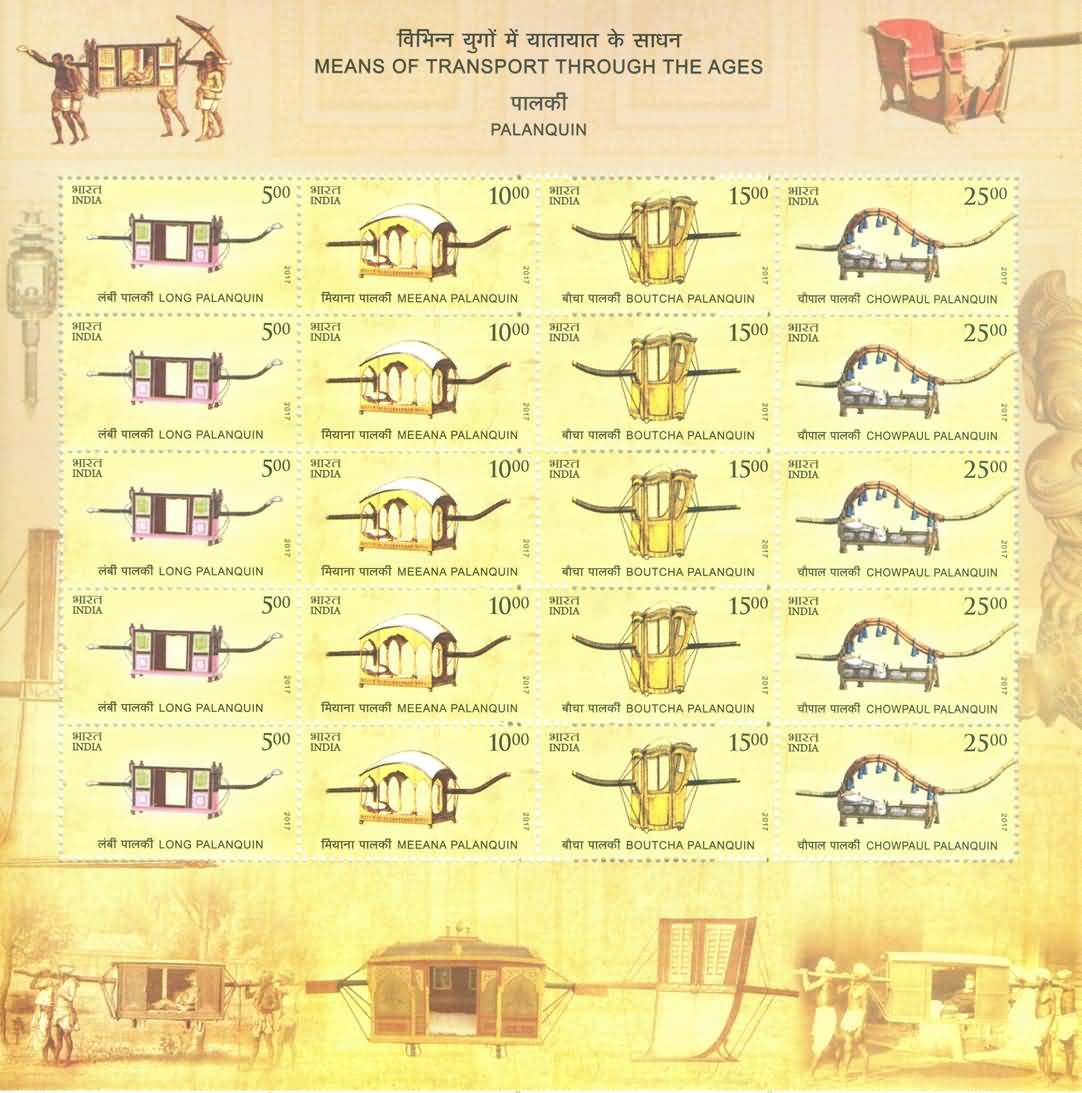
- Chowpaul Palanquin
- Boutcha Palanquin
- Meeana Palanquin
- Long Palanquin
Each variation differed in size, design, and usage, yet reflected the cultural artistry of its region.
Legacy and Significance
Though no longer used as a common means of transport, palanquins continue to be preserved as part of India’s cultural heritage. They are frequently displayed in museums, heritage sites, and royal collections, and remain part of religious and ceremonial traditions.
The Palanquin stands as a symbol of graceful mobility, honourable travel, cultural pride, and India’s royal past.
For More Information
Read more here: