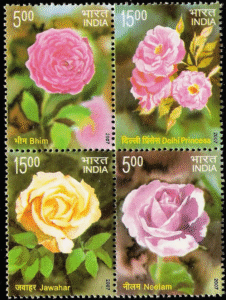
About this stamp
The rose (Mrinalini & Sugandha), with its universal appeal and timeless beauty, has captured the imagination of poets, craftsmen, and painters throughout history. From its ancient origins to the modern hybrid creations, the rose remains a symbol of love, inspiration, and aesthetic pleasure.
Historical Significance
- Ancient Origins: The ancestry of roses dates back to early fossil remains, but their significant presence began with the arrival of the Hybrid Tea rose, celebrated for its classic form and diverse range of colors. Human intervention through hybridization has continued to yield new varieties that marvel and delight.
- Roses in India: Roses have a rich history in India dating back to 334-323 BC, when Alexander the Great introduced them to ancient Greece after encountering them near the borders of India. During the Mughal period, roses adorned legendary gardens like those at Samarkand and the Taj Mahal. India also contributed the discovery of rose oil or attar, extracted from rose petals.
- Modern Developments: Rose breeding in India gained momentum in the early 20th century, with pioneers like Bhattacharji contributing to the cultivation of new varieties. Scientific breeding efforts intensified in the 1960s at the Indian Agricultural Research Institute (IARI), resulting in the development of over three hundred local rose varieties.
Prominent Indian Rose Varieties
- Raja Ram Mohan Roy (AM Bhattacharji, 1959): Known for its apricot color.
- Sugandha (SM Bhattacharji, 1964): Renowned for its rich fragrance.
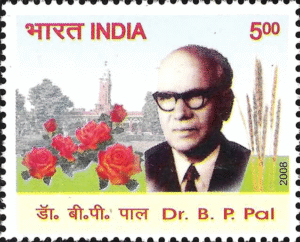
- Dr. Homi Bhabha (Pal, 1968): A pristine pure white variety.
- Srinivasa (Kasturirangan, 1969): Noted for its lovely red and silver hues.
- Banjaran (Pal, 1969): Characterized by brilliant red and gold colors.
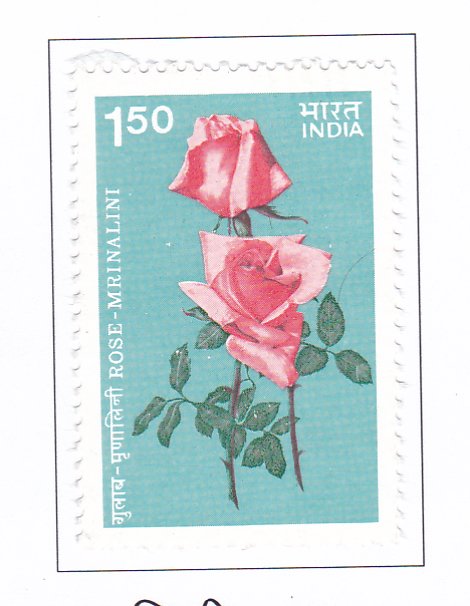
- Mrinalini (IARI, 1974): A hybrid from ‘Pink Parfait’ and ‘Christian Dior’, producing phlox pink blooms with long-lasting qualities.
Stamp Commemoration
The Indian Posts & Telegraphs Department proudly celebrates the beauty and diversity of roses with these special postage stamps. These stamps honor the contributions of Indian rose breeders and enthusiasts worldwide, highlighting the cultural and botanical significance of roses in India.
Conclusion
The commemorative stamps serve as a tribute to the enduring legacy of roses in India and their ongoing evolution through hybridization and scientific breeding. They symbolize not just the aesthetic beauty of roses but also the dedication and passion of those who continue to cultivate and appreciate these beloved flowers.
This commemorative stamp set is a testament to the rich heritage and ongoing innovation in the world of roses, showcasing India’s contribution to the global diversity of this beloved flower.