
About this stamp
The Timeless Evolution of Indian Fashion
Fashion as a Universal Language
Fashion is a universal form of expression, a language understood by all. It reflects cultural identity, social evolution, and personal creativity. Over time, fashion has evolved with influences from age, occupation, social class, and geography, becoming one of the most dynamic expressions of human civilization. In India, fashion has always mirrored the diversity and richness of its traditions — from regional textiles to royal attire and modern interpretations.
Elegance of the Traditional Parsi Attire
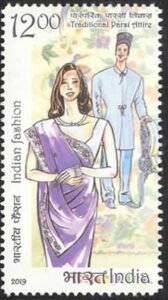
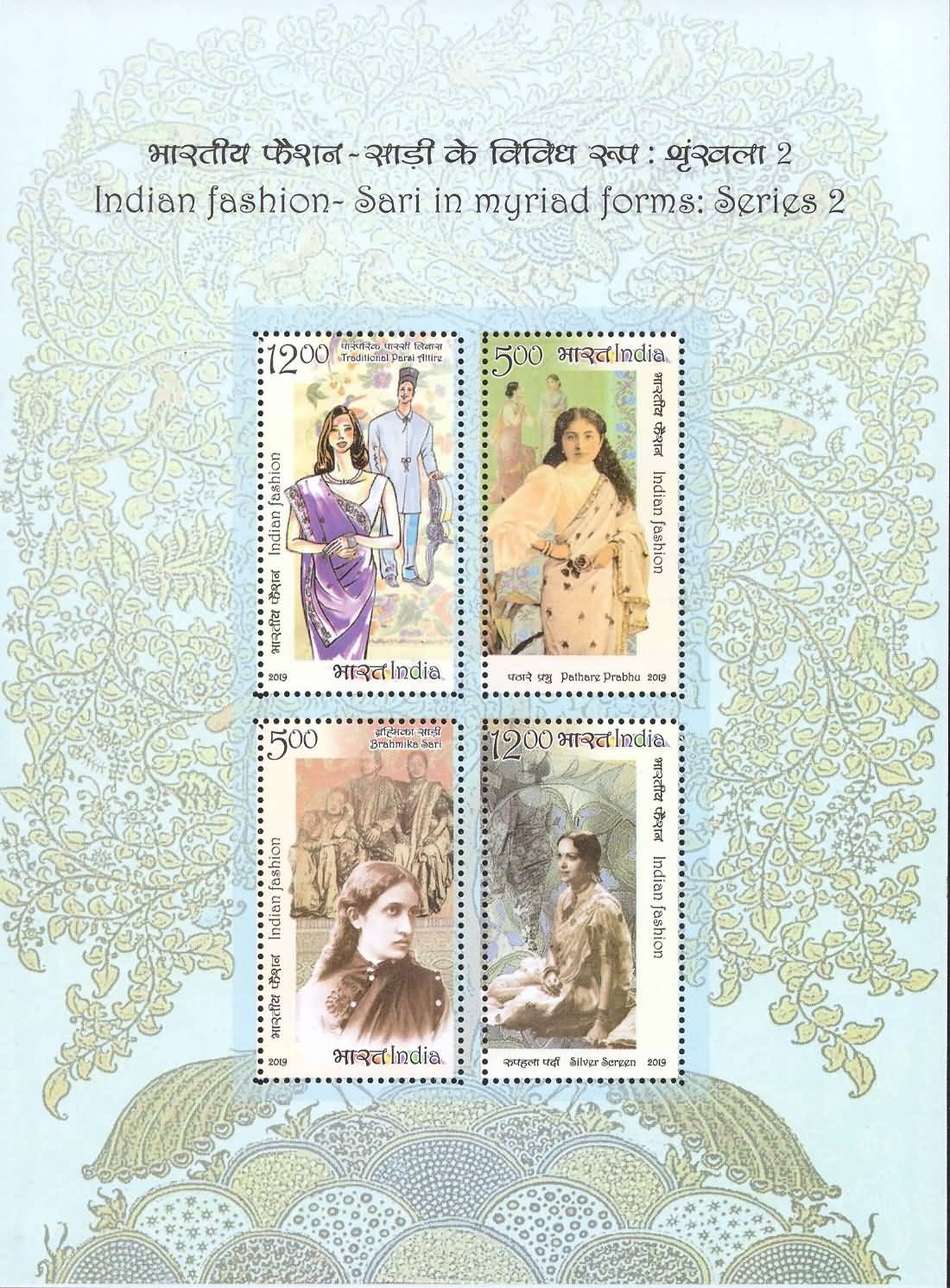
Among the many communities of India, the Parsis have a distinctive and elegant dressing tradition.
Parsi women wear the Gujarati-style sari, but with a unique twist — the palla (or drape) is brought over the right shoulder, unlike in most other regions where it falls over the left.
The highlight of Parsi women’s attire is the Gara sari, made of richly embroidered fabric that showcases motifs like pagodas and Chinese figures, differing from the usual Indian peacocks and paisleys. The Gara, introduced during India–China trade interactions, is often worn after the traditional Sari Perawani ceremony.
A Parsi bride typically wears a white or pastel Gara sari, often a family heirloom passed down through generations — a symbol of purity and continuity.
Parsi men, on the other hand, wear a long caftan tied at the waist and a turban, representing dignity and cultural pride.
Pathare Prabhus: Fusion of Indian and Western Styles
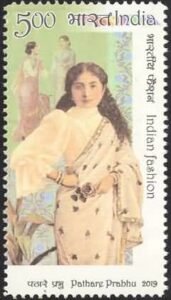
The Pathare Prabhus, one of Mumbai’s earliest settlers from Patan, Gujarat, are another community known for their innovative fashion sense. Renowned for their high literacy and close association with the British administration, their exposure to Western society influenced their dressing style.
The women of this community designed blouses with English puffed sleeves and wore them under their Kasabs — nine-yard satin saris adorned with intricate gold and silver borders. This fusion of Indian elegance and Western sophistication made Pathare Prabhu women pioneers of Indo-Western fashion, seamlessly blending tradition with modernity.
Their ability to adapt and innovate reflected a fashion philosophy that continues to inspire contemporary Indian couture.
Jananandandini Devi and the Birth of the Brahmika Sari
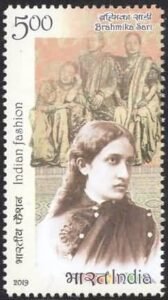
The evolution of the modern sari drape owes much to Jananandandini Devi of the Tagore family in Bengal. Influenced by her exposure to cosmopolitan culture in Bombay, she found the traditional Bengali sari drape inconvenient for social occasions.
During a trip to Gujarat, she drew inspiration from the Parsi drape and modified it — placing the pallu over the left shoulder instead of the right, thus freeing the right hand for greetings. This became known as the Brahmika Sari, popularized by the Brahmo Samaj women who embraced the style for its grace and practicality.
Jananandandini Devi also introduced blouses with high collars, ribbons, frills, and brooches, reflecting Western fashion of the late 19th century. Her creativity redefined Indian women’s attire, bridging the gap between tradition and modernity.
Indian Cinema: The Trendsetter of Modern Fashion
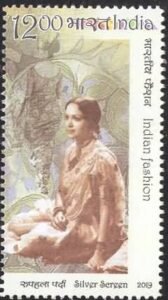
With the rise of Indian cinema, fashion found a new and powerful medium of expression. The silver screen became the trendsetter for millions, influencing how people dressed and perceived style.
Devika Rani, the first lady of Indian cinema, was a trailblazer who brought global attention to Indian film and fashion. Her bold and sophisticated style — from pearl jewellery and frilled blouses to neatly draped saris — defined the 1940s cinematic elegance.
Over the decades, Bollywood has continued to redefine the sari, blending traditional drapes with contemporary sensibilities. From vintage glamour to modern chic, the sari remains an evergreen symbol of Indian femininity, immortalized by generations of actresses who continue to celebrate its timeless charm.
Conclusion: Weaving Tradition with Modernity
Indian fashion is a living narrative — a tapestry woven with threads of history, culture, and creativity. From the Gara saris of the Parsis to the fusion wear of the Pathare Prabhus, from Jananandandini Devi’s innovations to Bollywood’s glamour, every chapter tells a story of adaptation and artistry.
In its journey through centuries, Indian fashion continues to evolve while staying rooted in its traditions, proving that style in India is not just about clothing — it’s about identity, expression, and timeless elegance.
For More Information
Read more here: